Vocational training in the USA offers accessible skills development and job readiness, overcoming barriers like financial constraints and lack of information through various programs, including online options and community support.
Vocational training free USA presents a unique chance for individuals looking to enhance their skills without financial burdens. Have you ever considered how such training could open new doors for your career?
Understanding vocational training
Understanding vocational training is essential for anyone exploring career opportunities. It provides practical skills needed in various trades and professions, allowing individuals to enter the workforce more confidently. This training often focuses on hands-on experiences and real-world applications, making it a valuable choice for many.
What is vocational training?
Vocational training refers to courses designed to prepare students for specific careers. Unlike traditional academic education, which offers broad knowledge, vocational programs target specific skills. These can range from technical fields like plumbing to creative industries such as graphic design.
Benefits of vocational training
- Promotes practical skills for job readiness.
- Shorter program lengths compared to traditional degrees.
- Higher employment rates in certain fields.
- Often more affordable than academic pathways.
Many people find that vocational training aligns more closely with their career goals. Programs can be found at community colleges, vocational schools, and online platforms. This flexibility makes it easier for learners to fit education into their lives. By learning a specific trade, graduates often feel more prepared and supported in their job search.
Another key advantage is the ability to earn while you learn. Some vocational programs include internships or apprenticeships, giving students real-world experience. This can also lead to job offers post-training, ensuring a smoother transition into the workforce.
Who can benefit from vocational training?
Anyone looking to improve their job prospects can benefit from vocational training. Whether you’re entering the job market for the first time, changing careers, or looking to advance in your field, these programs cater to a diverse audience. It’s never too late to pursue a practical path that can lead you to rewarding employment.
Types of free vocational programs available
There are many types of free vocational programs available that cater to a variety of career interests. These programs help individuals gain skilled training without the burden of high costs. Each type focuses on different trades and professions, allowing learners to choose what suits them best.
Technical training programs
Technical training programs are designed for those interested in fields like automotive repair, plumbing, and electrical work. They combine classroom learning with hands-on experience. Students learn essential skills through practical applications in labs or workshops.
Health and wellness programs
Health programs prepare students for careers in nursing, healthcare assistance, or dental hygiene. Students engage in both theory and practice, often using state-of-the-art facilities. Additionally, internships may be included to provide real-world experience in medical settings.
Information technology (IT) programs
- Web development and design.
- Network security.
- Software development.
- Data analysis.
IT programs have become increasingly popular due to the demand for tech skills. Many free courses are offered online, making them accessible to a broader audience. This flexibility allows learners to study at their own pace, fitting education around their schedules.
Furthermore, vocational training in the creative fields, such as graphic design or culinary arts, offers unique experiences. Students can explore their creativity while learning essential skills. Culinary programs often include real-life kitchen experiences, while graphic design courses may involve hands-on projects using industry-standard software.
No matter the field, free vocational programs offer a way to gain practical skills that can lead to rewarding careers. By taking advantage of these opportunities, individuals can enhance their employability and better prepare for the job market.
How to apply for free vocational training
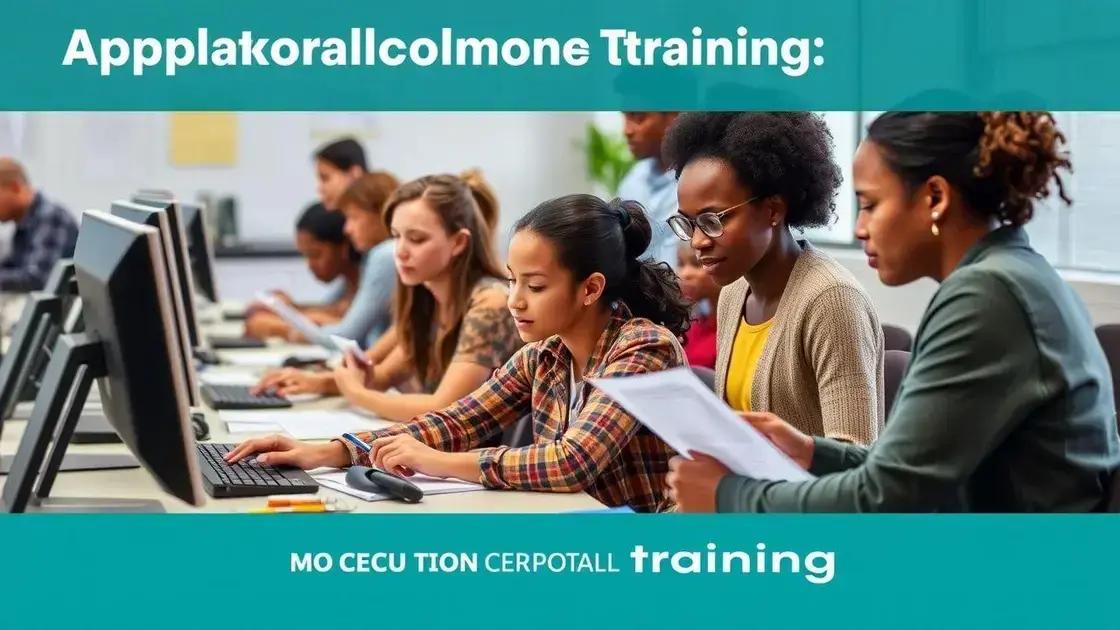
Applying for free vocational training can be an exciting step towards a new career. The process may vary depending on the institution or program, but there are some general steps everyone can follow to ensure success.
Research available programs
Begin by researching the types of vocational programs that interest you. Websites of community colleges, vocational schools, and online platforms often list available opportunities. Compare different programs to find the ones that best fit your career goals and learning style.
Check eligibility requirements
Each program may have specific eligibility requirements. Some might consider your income level, while others may require a high school diploma or equivalent. Understanding these requirements is essential before applying.
- Review application materials needed.
- Understand any prerequisites for the program.
- Learn about deadlines for applications.
- Gather any necessary documents, like transcripts or identification.
Once you identify suitable programs and verify that you meet their requirements, it’s time to start the application process. Be attentive to application deadlines to ensure you don’t miss the opportunity.
Many programs may ask you to complete an online application form. This form usually requires personal details, educational background, and career objectives. Some programs also conduct interviews or require essays to assess your motivation and commitment. Make sure to express your enthusiasm for the field you’re entering, as this can help strengthen your application.
After submitting your application, stay connected with the program. Follow up with any additional information they may need and keep checking your email for updates. Being proactive shows your interest and commitment to the program.
Success stories: Transforming lives through vocational skills
Success stories in vocational training showcase how individuals can transform their lives through newfound skills. These stories highlight the real impact that practical training can have on people from different backgrounds.
Case Study: Maria’s Journey
Maria always dreamed of becoming a certified nurse. After enrolling in a free vocational program, she gained valuable hands-on experience while learning about patient care. With dedication, she completed her training and secured a job at a local hospital. Today, Maria not only supports her family but also helps others in her community.
Case Study: James’ New Path
James was uncertain about his career after high school. He discovered a free vocational program focusing on automotive technology. With practical experience in the program, he learned to repair cars and troubleshoot issues effectively. After graduation, he found a job at a reputable auto shop. This new path brought him confidence and a steady income.
Skills Leading to Opportunity
Many success stories, like those of Maria and James, emphasize that vocational skills can lead to sustainable employment. These stories often illustrate the bridge that education creates between ambition and achievement. As individuals learn specialized skills, they become more employable and can explore various job options.
- Vocational education builds self-confidence.
- Hands-on training equips students with real-world skills.
- Access to internships can enhance job readiness.
- Successes often inspire others to pursue vocational training.
Inspirational stories also serve to motivate others who may be considering vocational training. When individuals see how real people have succeeded, it encourages them to explore similar paths in their own lives. Each success story reflects the potential for change, proving that dedication and hard work can lead to impressive outcomes.
Challenges and solutions in accessing vocational training
Accessing vocational training can present various challenges for individuals seeking to enhance their skills. These obstacles may include financial constraints, lack of information, and geographical barriers, which can deter potential students from pursuing their goals.
Financial Barriers
One of the most significant challenges is the cost associated with vocational training. Even though many programs are free, there are often hidden expenses, such as materials, transportation, or certification fees. Many learners may find it difficult to manage these costs while balancing other financial responsibilities.
Solutions to Financial Issues
- Seeking scholarships and grants specifically for vocational training.
- Exploring income-based repayment options for existing students.
- Finding programs that offer free resources or materials.
- Participating in community fundraising initiatives to support education costs.
Another challenge many face is a lack of information regarding available programs. Not everyone knows where to find resources or how to apply for vocational training, leading to missed opportunities. Many individuals may not be aware of the various types of training and careers that are accessible through these programs.
Addressing the Information Gap
To combat this issue, community organizations play a vital role in disseminating information. Local job centers, libraries, and community colleges can provide resources that help individuals understand their options. Workshops and career fairs are also excellent opportunities to learn about vocational training directly from providers.
Lastly, geographical barriers can hinder access to vocational training. Some individuals may live in rural areas where programs are limited. This can make it difficult for them to attend in-person classes or obtain hands-on training, which is often a crucial part of vocational education.
Overcoming Geographical Barriers
Online vocational training programs present a great alternative, allowing students to learn from anywhere. These programs can offer the same quality of education as in-person classes, often with flexible schedules that accommodate different lifestyles.
FAQ – Frequently Asked Questions About Vocational Training
What are common challenges in accessing vocational training?
Common challenges include financial barriers, lack of information about available programs, and geographical limitations that may hinder attendance.
How can I find financial assistance for vocational training?
You can seek financial assistance through scholarships, grants, and community programs that offer support for students pursuing vocational education.
Are there online options for vocational training?
Yes, many vocational programs offer online courses which allow you to learn from anywhere, making it more accessible for those with geographical limitations.
How do vocational skills impact employability?
Vocational skills enhance employability by providing practical training and specific expertise, making graduates more attractive to employers in various industries.