To obtain your free credit report in 2025, visit AnnualCreditReport.com, provide personal information, and check for errors to maintain your credit health.
Free credit report 2025 is your chance to take control of your financial future. Do you know what’s on your report? Let’s dive into why it matters and how you can access it.
Understanding the importance of a credit report
Understanding the importance of a credit report is crucial for your financial health. A credit report provides detailed information about your credit history, which plays a significant role in your financial future.
Why Your Credit Report Matters
Your credit report is like a report card for your financial behavior. It summarizes your borrowing and repayment history and helps lenders assess your risk as a borrower. A good credit report can lead to lower interest rates on loans and better terms on credit cards.
Moreover, it can influence not just loans but also job applications and insurance premiums. When a lender sees a positive credit history, they are more likely to trust you. Therefore, understanding this document can open many doors for you.
Key Reasons to Monitor Your Credit Report
- Detect errors that could harm your credit score.
- Track your financial progress over time.
- Prevent identity theft by noticing suspicious activities.
Regularly checking your credit report helps you stay informed. If you spot any inaccuracies, you can dispute them immediately. This proactive approach can save you a lot in the long run.
In addition, knowing your credit score and report details prepares you for major financial decisions, such as buying a car or a home. Confidence in your financial standing means you can negotiate better loan terms and interest rates.
How to obtain your free credit report in 2025
Obtaining your free credit report in 2025 is simple and essential for managing your finances. It’s your right to access this document once a year at no cost.
Steps to Get Your Free Credit Report
First, visit the official website dedicated to credit reports. You can start at AnnualCreditReport.com, where you can request reports from all three major credit bureaus: Experian, Equifax, and TransUnion.
Next, provide some personal information, such as your name, Social Security number, and address. This ensures that the credit bureaus correctly identify you and retrieve your report accurately.
- Choose to view all three reports or just one at a time.
- Verify your identity by answering some security questions.
- Review your report online, or opt to receive it by mail.
After you’ve obtained your report, check it for any inaccuracies or unfamiliar accounts. It’s crucial to address any errors as they can impact your credit score. You can dispute inaccuracies through the credit bureau’s website.
Additionally, in 2025, some services may offer more frequent access to your credit report for free. This can help you stay informed about your credit health throughout the year. Monitor for updates from the credit bureaus and take advantage of any special offers.
Key factors influencing your credit score
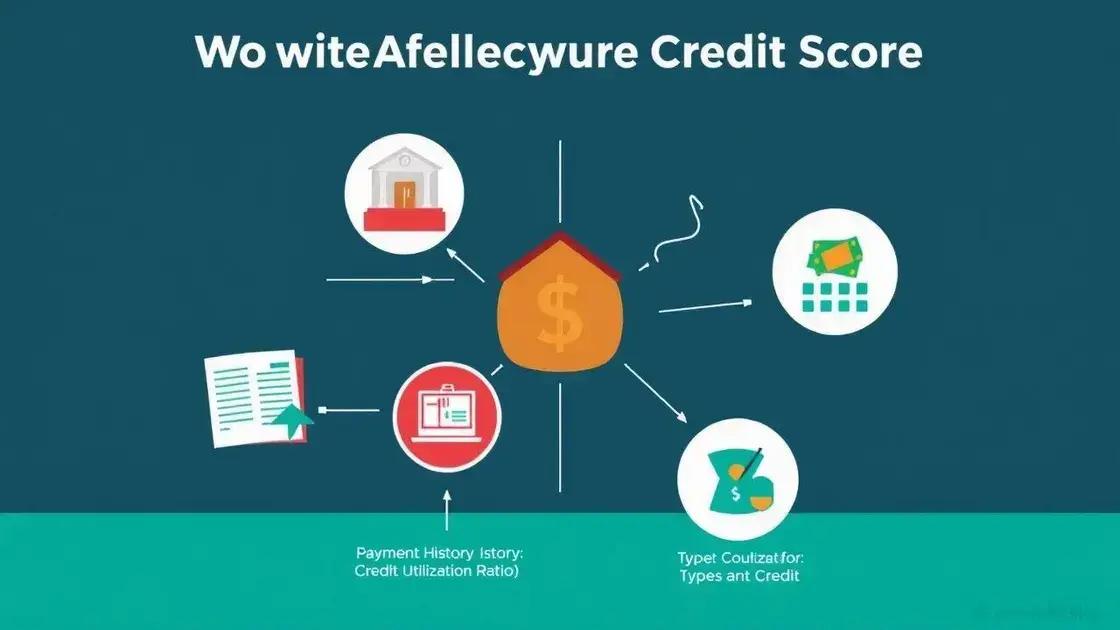
Understanding the key factors influencing your credit score is essential for maintaining good financial health. These factors tell lenders how reliable you are as a borrower.
1. Payment History
Your payment history is one of the most significant factors in your credit score. It shows whether you pay your bills on time. Late payments, collections, and bankruptcies can lower your score.
2. Credit Utilization Ratio
This ratio compares your total outstanding credit card balances to your total credit limits. A lower ratio is better. Aiming to use less than 30% of your available credit can improve your score.
3. Length of Credit History
Longer credit histories generally lead to higher scores. Lenders like to see that you have successfully managed credit over a long period. Keeping old accounts open can help improve this factor.
- New Credit Accounts: Opening several new accounts in a short time can negatively impact your score.
- Types of Credit: A mix of different credit types, such as credit cards and loans, can positively influence your score.
- Recent Credit Inquiries: Too many hard inquiries can lower your score temporarily. Only apply for credit when necessary.
By focusing on these key factors, you can take steps to improve your credit score. Regularly checking your score and understanding how it fluctuates will help you maintain a healthy financial profile.
Common mistakes to avoid on your credit report
Avoiding common mistakes on your credit report is essential for maintaining a good credit score. Even minor errors can impact your financial health.
1. Ignoring Errors
One of the biggest mistakes is ignoring errors when you find them on your report. Always check for incorrect personal information or accounts that don’t belong to you. These inaccuracies can unfairly damage your credit score.
2. Not Monitoring Your Credit Regularly
Many people make the mistake of not reviewing their credit report regularly. It’s important to do so at least once a year. This way, you can spot any issues early and address them before they escalate.
3. Missing Payment Deadlines
Late or missed payments appear on your credit report and can significantly lower your score. Set up reminders or automatic payments to ensure you pay your bills on time.
- Establish a budget to help manage your bills.
- Use calendar alerts for payment due dates.
- Consider using apps that help track your expenses and deadlines.
Keeping track of your payment history is critical to a positive credit report. Moreover, not understanding how your credit utilization affects your score can lead to mistakes. Aim to use less than 30% of your available credit.
4. Closing Old Accounts
Another common mistake is closing old or unused credit accounts. Closing these accounts can shorten your credit history, which can negatively impact your score. It is often better to keep them open, even if you don’t use them regularly.
Pay attention to these common mistakes to protect your financial reputation. By avoiding them, you’ll be on your way to maintaining a healthier credit report.
Tips for improving your credit health
Improving your credit health is vital for your financial future. By making informed decisions, you can enhance your credit score and open up better opportunities.
1. Pay Your Bills on Time
Your payment history significantly impacts your credit score. Always aim to pay your bills promptly. Setting up automatic payments or reminders can help you stay on track.
2. Keep Credit Utilization Low
It is important to maintain a low credit utilization ratio. This means using less than 30% of your available credit. For example, if you have a $10,000 credit limit, try to keep your balance below $3,000. This practice can help improve your score.
3. Build a Positive Credit History
Establishing a long and positive credit history can benefit your credit score. Avoid closing old accounts, as they contribute to the length of your credit history. Keeping these accounts active can show lenders you have experience managing credit.
- Mix of Credit Types: Having different types of credit, like credit cards and loans, can positively influence your score.
- Limit New Credit Applications: Each new credit inquiry can lower your score temporarily, so apply for new credit sparingly.
- Use a Secured Credit Card: If you have trouble getting credit, consider starting with a secured card to build your credit history.
If you notice any inaccuracies on your credit report, address them immediately. Disputing errors can help improve your score quickly. Additionally, consider enrolling in credit monitoring services. These services can alert you to changes in your credit report.
FAQ – Frequently Asked Questions about Credit Reports and Scores
How often should I check my credit report?
You should check your credit report at least once a year to ensure all information is accurate and up-to-date.
What can I do if I find errors on my credit report?
If you find errors, you should dispute them with the credit bureau immediately to correct the inaccuracies.
How long does it take for my credit score to improve?
Improving your credit score can take time, but consistent positive behaviors, like timely payments, can lead to improvements within a few months.
Does checking my own credit report affect my score?
No, checking your own credit report is considered a soft inquiry and does not affect your credit score.