Free government phone programs provide essential phone services to eligible low-income individuals and families, enhancing connectivity and access to vital resources through simple application processes.
Free government phone programs offer a lifeline to countless individuals who might struggle with connectivity. Have you ever thought about how a simple phone could change your life? Let’s dive into the details of these programs and uncover the benefits they provide.
Understanding free government phone programs
Understanding free government phone programs is essential for many who are seeking connectivity and assistance. These programs, often part of the Lifeline program, provide eligible individuals with free or low-cost mobile phones, along with monthly service plans. They aim to help those in need, particularly low-income families and seniors.
What are free government phone programs?
Free government phone programs are designed to ensure that everyone has access to essential communication tools. They are funded by federal and state governments and are available to qualified applicants. The goal is simple: to make sure no one is left behind in today’s digital age.
Key benefits of the programs
- Access to emergency services
- Improved job opportunities
- Connection with family and friends
- Access to essential services and information
These benefits demonstrate why these programs are crucial for maintaining connections and providing support. Having a phone can greatly enhance an individual’s quality of life.
Eligibility for these programs typically depends on income level or participation in other assistance programs. Common criteria include having a household income at or below 135% of the federal poverty guidelines or being a participant in programs like Medicaid, SNAP, or Supplemental Security Income (SSI).
How to apply
The application process is straightforward, designed to help you get started quickly. Generally, you will need to provide some identifying information, proof of income or eligibility, and sometimes you’ll need to choose a provider.
- Gather required documents
- Visit the official Lifeline website
- Select a participating service provider
- Submit your application either online or by mail
Once your application is approved, you will receive confirmation and your phone will be sent to you. Understanding the nuances of these programs can greatly assist you in taking advantage of these opportunities.
Eligibility criteria for free phones
Determining eligibility for free government phone programs is crucial for those seeking assistance. The eligibility criteria for free phones can vary by state and provider but generally include certain income requirements and participation in specific assistance programs.
Income Requirements
To qualify for a free phone, your household income must typically be at or below 135% of the federal poverty guidelines. These guidelines are updated annually and can vary based on household size. Understanding these criteria enables applicants to assess their qualifications easily.
Participation in Assistance Programs
If you participate in programs such as Medicaid, Supplemental Nutrition Assistance Program (SNAP), or Supplemental Security Income (SSI), you may automatically qualify for a free phone. These programs are designed to assist low-income individuals and families, emphasizing the importance of access to communication.
- Medicaid
- SNAP
- SSI
- Federal Public Housing Assistance
Applicants must provide proof of participation in these programs to confirm their eligibility. Additionally, some states offer a special program for veterans or individuals with disabilities, which can increase access to these resources.
It’s essential to gather the necessary documentation before applying, as this can streamline the process. Be prepared to submit copies of income statements, eligibility letters, or any relevant paperwork. Ensuring your information is accurate and complete can lead to a quicker approval process.
Other Considerations
Some providers may have additional eligibility requirements, including geographical restrictions or limits on the number of phones available. It’s a good practice to check with the specific provider to understand any unique conditions that could affect your application.
Step-by-step guide to apply
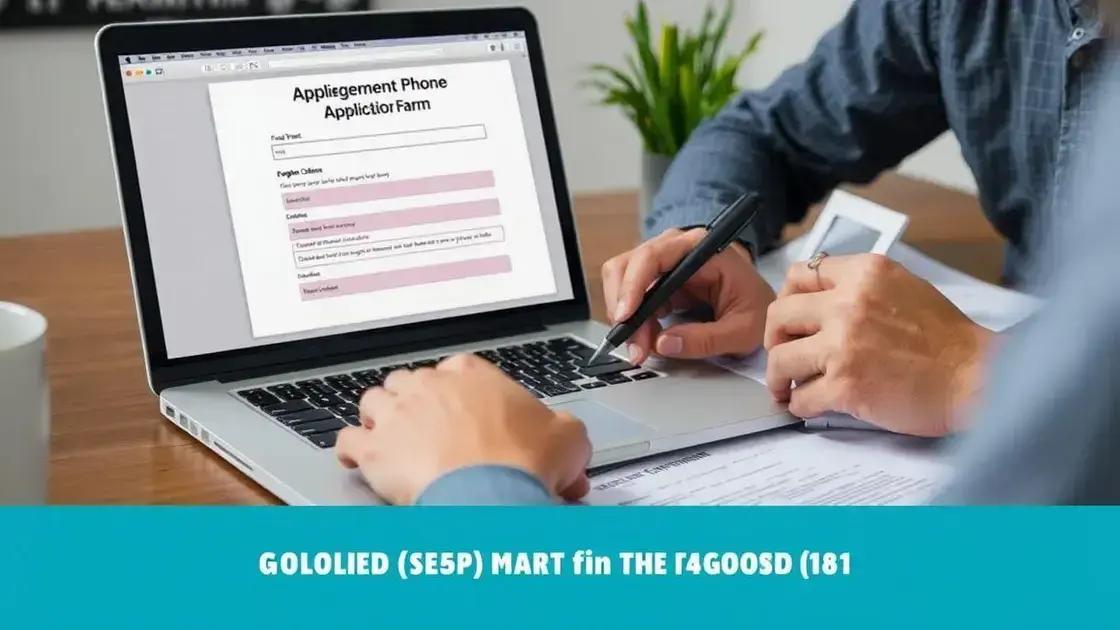
Applying for a free government phone can seem daunting, but with a clear step-by-step guide to apply, the process becomes manageable. First, it’s essential to check your eligibility by reviewing the criteria listed in previous sections. Once you confirm you meet these requirements, you can start the application process.
Gather Necessary Documents
Before you begin, ensure you have all required documents ready. This might include proof of income, identity verification, and documentation proving participation in assistance programs. Having these documents at hand will save time and prevent delays.
Choose a Service Provider
Next, select a phone service provider that participates in the Lifeline program. Different providers offer varied services and phones, so do some research to find one that suits your needs. Each may have specific application forms and processes.
- Look for providers in your area
- Compare plans and options
- Read reviews and customer feedback
Once you have made your choice, you can move on to the application itself. Most providers will have an online application option, which is convenient and faster than mailing in forms.
Complete the Application
Fill out the application form with accurate information. Double-check for any errors to ensure a smooth process. You will need to provide personal information such as your name, address, and social security number. Don’t forget to attach all required documents as outlined in the provider’s instructions.
Submit Your Application
After completing your application, submit it according to the provider’s directions. If you applied online, ensure you receive a confirmation of your application submission. If you mailed your application, consider sending it via certified mail to track its delivery.
Wait for a response from the provider. Processing times can vary, but you should receive information regarding your approval status within a few weeks. If approved, you will receive your phone and instructions on how to start using it.
Benefits of having a free government phone
Having access to a free government phone can significantly impact a person’s life. The benefits of having a free government phone extend beyond just communication. Individuals can experience greater connectivity, improved access to information, and enhanced opportunities.
Improved Connectivity
One of the most notable benefits is improved connectivity. A free government phone allows individuals to stay in touch with family and friends, reducing feelings of isolation. With consistent access to a phone, users can communicate quickly, whether by call or text.
Access to Essential Services
Free government phones also provide crucial access to essential services. Users can dial emergency numbers, reach healthcare providers, and access local resources quickly. In times of need, having a phone is critical.
- Emergency contact capabilities
- Access to job listings and interviews
- Connection to social services
With these capabilities, individuals can gather necessary support and resources, enhancing their overall quality of life.
Employment Opportunities
Furthermore, a free government phone can open doors to employment opportunities. Many jobs require a phone to arrange interviews or receive updates. Job seekers with a phone are more likely to find and secure employment, improving their financial situation.
In addition, having a phone can facilitate online applications and networking. This can be a game-changer for many, contributing to a more stable and prosperous life.
Staying Informed
Staying informed is another advantage that comes with having a phone. Users can access news, weather updates, and educational resources easily. Phones can also provide access to the internet, which is essential for research and communication in today’s digital world.
Overall, the benefits of having a free government phone are extensive. They empower individuals by enhancing connectivity, providing access to vital services, and opening doors to job opportunities.
Common misconceptions debunked
When it comes to free government phone programs, many misconceptions can lead to confusion. It’s essential to address these myths to help individuals better understand their opportunities. One common myth is that only certain people qualify for these programs, but that is not true. In fact, many individuals and families may qualify based on varying income levels and participation in certain assistance programs.
Misconception: Only Low-Income Families Qualify
While many participants come from low-income households, the criteria are broader. For instance, individuals who are receiving benefits such as Medicaid or SNAP can also qualify. This means anyone who relies on assistance has a chance of getting a free phone.
Misconception: It’s Complicated to Apply
Another myth is that the application process is complicated and time-consuming. In reality, it can be straightforward. Many service providers offer applications online that are easy to complete. Providing all required documents at once can speed up the process significantly.
- The application can often be completed in a short time.
- Documentation can often be uploaded online.
- Many service providers offer customer support to assist with the application.
This support helps applicants navigate the process smoothly.
Misconception: Free Phones Are Low Quality
Many believe that free government phones are of poor quality. However, this is misleading. While the models might not be the latest smartphone versions, they are generally functional and sufficient for everyday tasks such as calls, texts, and even accessing basic apps.
It’s important to recognize that these phones are meant to enhance connectivity, not replace high-end devices. They serve a critical role in keeping individuals connected to family, work, and essential services.
Misconception: You Can Only Get One Phone
There’s also a misconception that individuals can only receive one free government phone for life. In truth, eligible individuals can receive replacement phones if theirs is lost, stolen, or damaged. However, there are limits, and providers have specific policies regarding this.
Being informed helps ensure that those who need assistance can access the resources available to them.
FAQ – Frequently Asked Questions about Free Government Phone Programs
Who is eligible for a free government phone?
Eligibility typically includes low-income individuals and families, as well as those enrolled in assistance programs like Medicaid, SNAP, or SSI.
How do I apply for a free government phone?
You can apply online through participating providers or by submitting a paper application. Make sure to gather all necessary documents to streamline the process.
What are the benefits of having a free government phone?
Benefits include improved connectivity, access to essential services, job opportunities, and the ability to stay informed and connected with loved ones.
Are there any misconceptions about free government phone programs?
Yes, common misconceptions include the belief that only a few people qualify or that the phones provided are of low quality. Many people can qualify, and the devices are functional for everyday use.