Low-income utility assistance programs provide vital support for eligible households to help manage utility bills, offering resources like financial aid, discounted rates, and energy-saving services.
Low-income utility assistance programs are designed to help those struggling to pay their bills. If you’ve found yourself in a tight spot, you might be wondering what options are available. Let’s dive into how these resources can make a difference in your life.
What is low-income utility assistance?
Low-income utility assistance is a program designed to help individuals and families manage their utility expenses, such as electricity, water, and gas. Many people struggle to pay these bills, especially during tough economic times. Understanding what this assistance entails is crucial for those in need.
This support can come in various forms, including financial aid, payment plans, and information on energy-saving tips. It’s essential to know what options are available to you.
Types of Assistance Programs
There are several types of programs aimed at providing low-income utility assistance. Here are a few:
- Direct Financial Aid: Programs that offer payments directly to utility companies on behalf of eligible households.
- Weatherization Services: Assistance to improve energy efficiency in homes, reducing future utility costs.
- Discounted Rates: Some companies offer lower rates for those who qualify as low-income.
Many utilities have tailored programs addressing specific needs, such as payment deferrals or emergency aid. To access these resources, understanding your eligibility is vital.
To qualify for these programs, you typically need to meet certain criteria, such as income limits or participation in other assistance programs. It’s worth checking with your local utility provider or community organizations to see what options are available in your area.
For those looking to lower their bills, exploring these low-income utility assistance programs can be a game-changer. Making informed choices allows families to avoid disconnections and maintain essential services.
Eligibility requirements for assistance
To access low-income utility assistance programs, it’s essential to meet specific eligibility requirements. These requirements vary by program and location, but some general guidelines apply to many households seeking help.
Typically, eligibility hinges on your household income, which must fall below a certain threshold. Often, this threshold is set as a percentage of the federal poverty level. For example, households earning 150% or less of the poverty line may qualify for various assistance options.
Common Eligibility Criteria
When applying for utility assistance, consider these common requirements:
- Income Level: Your total household income must be documented and verified.
- Residency: Applicants usually need to reside in the service area of the utility company.
- Household Size: The number of people in your household may affect the income eligibility threshold.
- Participation in Other Programs: Being part of programs like SNAP or TANF may assist in qualifying for utility assistance.
In addition to these factors, some programs focus on vulnerable populations. This includes families with children, seniors, or individuals with disabilities. It’s crucial to check with local organizations or utility providers for specific details.
Gather all necessary documents, such as proof of income, identification, and residency, before applying. This preparation can streamline the application process and improve your chances of receiving aid.
Types of utility programs available
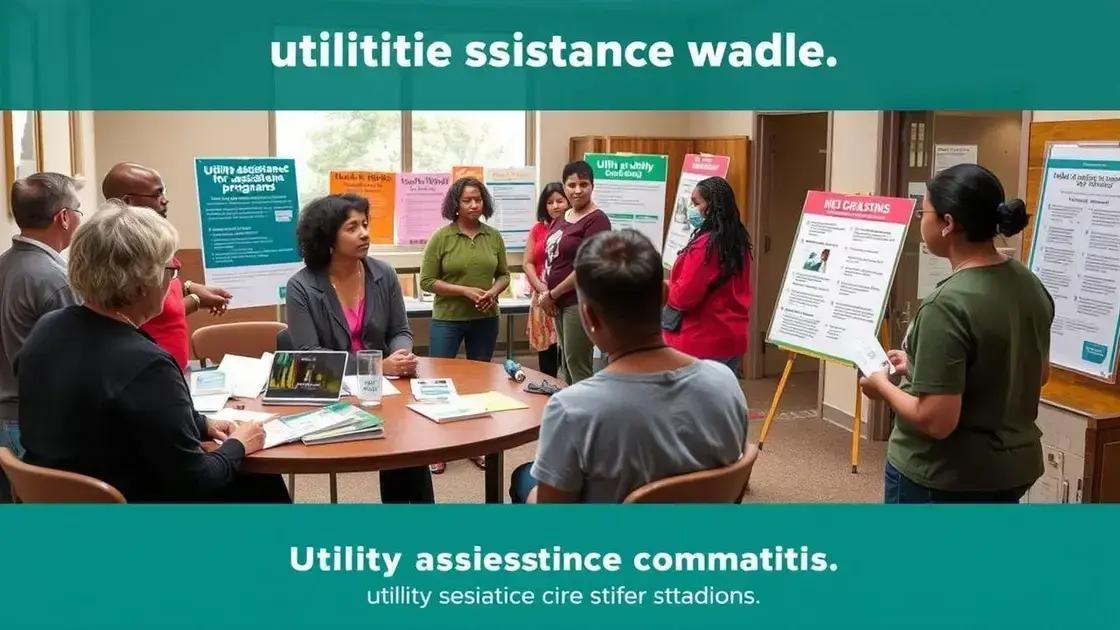
There are various types of utility programs available to support low-income households. Each program addresses specific needs and offers different forms of assistance, making it easier for families to manage their utility expenses.
Understanding the types of assistance can help you find the right program for your situation. Here are some common categories of utility programs that you might encounter.
Common Utility Assistance Programs
These programs can provide crucial support:
- Energy Assistance Programs: Many states offer assistance to help cover heating and cooling costs during extreme weather conditions. These programs often rely on federal funding, making them widely available.
- Water Assistance Programs: Some municipalities have programs to help low-income families pay their water bills, ensuring access to clean water.
- Discounted Utility Rates: Several utility companies provide reduced rates for eligible low-income customers, which can significantly lower monthly bills.
- Weatherization Assistance: This initiative helps homeowners improve their home’s energy efficiency. Upgrades may include better insulation or energy-efficient appliances, leading to lower utility costs.
It’s essential to explore both state and local options since assistance can vary significantly depending on your location. Participating in local government or community organization programs often connects you with various resources at your disposal.
Reaching out to your utility provider can also help you learn about any available discounts or assistance programs for which you might qualify. Don’t hesitate to ask questions, as utility companies often have dedicated staff to help customers navigate their options.
How to apply for utility assistance
Applying for utility assistance can be a straightforward process, but it often requires careful preparation. Knowing the steps to take can help you effectively navigate the system and increase your chances of receiving aid.
Start by collecting the necessary documents. Most programs require proof of income, identification, and proof of residency. Having this information organized and ready can save you time during the application process.
Steps to Apply
Here are some key steps to keep in mind when applying for utility assistance:
- Research Available Programs: Look for local and state programs that offer utility assistance. Each program may have different eligibility requirements and application processes.
- Gather Documentation: Prepare your financial documents, including pay stubs, tax returns, and utility bills. Ensure you have your identification handy, such as a driver’s license or state ID.
- Complete the Application: Fill out the application form carefully. Be sure to provide accurate information to avoid delays in processing.
- Submit Your Application: Submit your application via the method specified by the program, whether online, in person, or by mail. Keep copies of everything you send.
After submitting your application, be aware of any follow-up requirements. Some programs may contact you for additional information or documentation. It’s helpful to keep contact information handy in case you need to reach out for updates or clarifications.
Don’t hesitate to ask for help. Many community organizations can assist you with the application process, ensuring you complete all requirements and fully understand your options.
Tips to maximize your assistance benefits
Maximizing your utility assistance benefits can significantly relieve the financial burden of utility bills. Understanding how to effectively use the resources available to you is essential for achieving the best results.
One way to make the most of your assistance is by keeping track of all available programs and their requirements. This helps ensure that you receive all the benefits you qualify for, which can lead to greater savings.
Effective Tips
Here are several strategies to maximize your benefits:
- Stay Organized: Keep all your documentation in one place. This includes applications, notices, and correspondence with utility providers. Organization will help you respond promptly to any requests.
- Use All Available Resources: Explore local, state, and federal assistance programs. Many households qualify for more than one program, so don’t overlook options.
- Communicate with Utility Providers: Maintain open lines of communication with your utility company. Inform them of your circumstances and ask about any additional support they can offer.
- Monitor Your Usage: Be mindful of your energy and water use. Small changes to your habits can lead to lower bills, making your assistance go further.
Additionally, many nonprofits and community organizations offer resources, education, and workshops. These can provide valuable insights into managing utility costs and maximizing the impact of your financial assistance.
Consider joining local support groups or online communities where you can share experiences and tips with others who are also navigating utility assistance programs. Connecting with others can provide a sense of community and additional ideas for managing your resources.
FAQ – Frequently Asked Questions about Low-Income Utility Assistance
What is low-income utility assistance?
Low-income utility assistance refers to programs designed to help eligible households manage their utility bills, providing essential support to those in financial need.
How can I apply for utility assistance?
To apply, gather necessary documents like proof of income and identification, research available programs, and submit your application promptly.
What types of utility assistance programs are available?
Programs include energy assistance for heating and cooling, water assistance, discounted utility rates, and weatherization services to improve energy efficiency.
How can I maximize my utility assistance benefits?
Stay organized, explore all available resources, communicate with your utility provider, and monitor your usage to maximize the effectiveness of your assistance.