The TikTok ban in the US is driven by data privacy concerns, national security issues, and the potential influence of foreign governments on American users.
The **TikTok ban in the US** is a hot topic that has many users asking questions. What would this mean for content creators and daily users alike? Let’s dive into the details that everyone is buzzing about.
Overview of the TikTok ban in the US
The TikTok ban in the US has sparked much curiosity and debate among users and policymakers alike. This social media platform has become a central hub for creativity, trends, and connections. Understanding the overview is crucial for anyone invested in this digital landscape.
The discussions surrounding the ban often include various regulatory and national security concerns. Lawmakers have cited issues regarding data privacy and the potential influence of foreign governments. As users navigate this complex situation, it’s essential to keep updated on the developments.
Key Points of the Ban
In the conversation about the TikTok ban, several key points have emerged:
- Data Privacy: Concerns about personal information being accessed by the Chinese government.
- National Security: The potential threat posed by foreign influence on American users.
- Legislative Action: Ongoing discussions in Congress about how to handle the app.
As these issues unfold, the implications for users are significant. TikTok’s algorithm has allowed many creators to gain fame and reach audiences they wouldn’t have through traditional means. The loss of this platform could not only affect their careers but also change how audiences consume short-form video content.
Community Reactions
User reactions to the ban are mixed. Many feel a strong connection to the app and advocate for its retention. Others express understanding of the government’s concerns and support assessing risks. This situation could lead to a fragmented digital landscape where users must decide which platforms align with their values and safety.
Moreover, if TikTok were to be banned, many creators might shift to other platforms in search of similar opportunities. This shift could lead to changes in content creation trends and community engagement. The outcome of the TikTok ban will set a precedent for how social media platforms are regulated in the future.
Key reasons behind the ban
Understanding the key reasons behind the ban is crucial for both users and stakeholders. The discussions often revolve around important aspects like data privacy and national security. Policymakers have voiced concerns about how data is collected and utilized by TikTok to protect American users.
Data Privacy Concerns
One major issue is how TikTok manages user information. Critics argue that data could be accessed by the Chinese government, raising questions about privacy and surveillance. This has led to calls for transparency in how user data is handled.
- User Data Sharing: The fear that sensitive information may be shared with the Chinese government.
- Data Storage Practices: Concerns about where and how user data is stored.
- Encryption Issues: Questions regarding the effectiveness of TikTok’s data encryption.
Alongside data issues, there are heightened national security concerns. Government officials worry about the influence foreign platforms can have on American users and political opinions. This concern is particularly centered around potential misinformation or propaganda.
Government Actions
As the debate continues, many lawmakers are exploring policies to address these issues. Proposals vary from stricter regulations to outright bans. The challenge is balancing security with the freedom of expression. Users are left wondering what their future will look like amid these considerations.
This ongoing discussion underscores the need for greater awareness and understanding of how these platforms operate. As conversations about privacy and security evolve, they will shape the digital landscape for all users. Keeping informed about these developments is essential.
Potential impacts on TikTok users
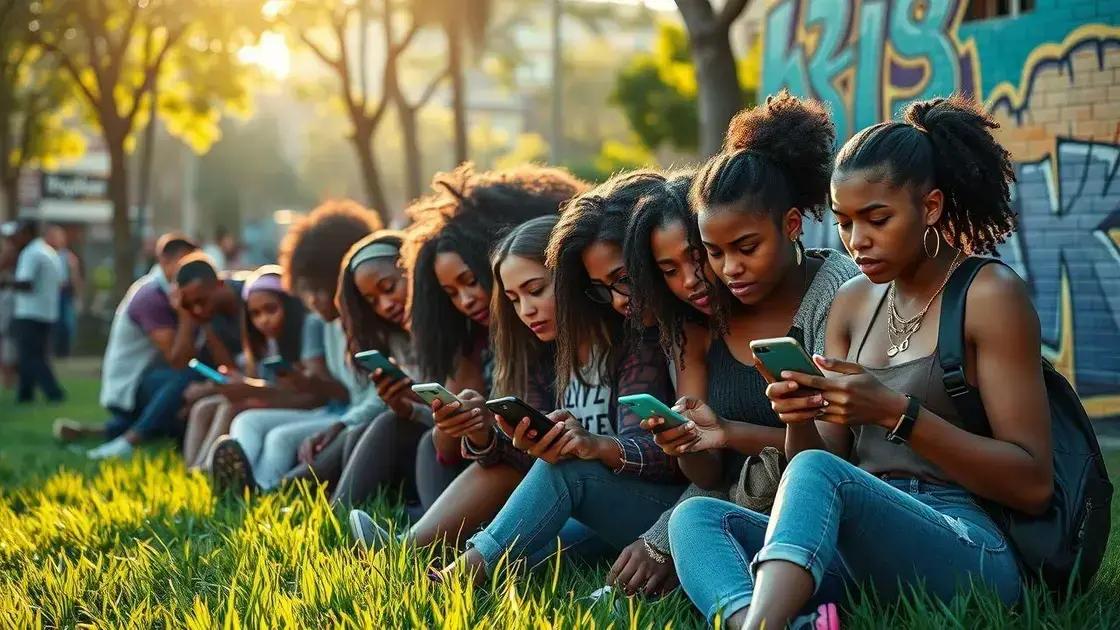
The potential impacts on TikTok users are significant and wide-ranging, touching on various aspects of their digital lives. Users rely on TikTok not just for entertainment but also for self-expression and connection.
Loss of Content Creation Opportunities
One major concern is the potential loss of a platform for creative content. Many users have built substantial followings on TikTok, showcasing their talents and sharing unique perspectives. Without the app, these creators may struggle to reach their audience.
- Disruption of Trends: Popular trends that thrive on TikTok may fade or shift to other platforms.
- Economic Impact: Influencers relying on brand deals might find new opportunities harder to secure.
- Innovation in Content: New platforms may not support the same features or user engagement.
Moreover, the community built around TikTok fosters supportive relationships among users. Losing access could lead to feelings of isolation for some creators. As they seek new venues for their creativity, they might face challenges reconnecting with their audience.
Changes in User Behavior
As users adapt to potential changes, behavior patterns may shift. Some may explore alternative platforms, while others could withdraw from sharing content altogether. This shift could result in a fragmented audience landscape, affecting how trends propagate.
In addition, users might also turn to more traditional media sources for entertainment. This could create a gap in the unique, user-generated content TikTok provides, ultimately changing the digital culture.
To navigate these challenges, users will need to adapt quickly. They might need to explore platforms that offer similar benefits and features, ensuring they stay engaged with their communities and continue to thrive in a dynamic digital environment.
Alternatives to TikTok for content creators
As creators look for alternatives to TikTok, several platforms offer similar features for sharing content and building an audience. Each platform has unique strengths that cater to different types of creators.
Popular Alternatives
One of the leading alternatives is Instagram Reels, which allows users to create short video clips while leveraging Instagram’s large user base. It provides tools for editing, adding music, and utilizing effects similar to those on TikTok.
- Instagram Reels: Integrates with Instagram’s existing features, enabling creators to reach their followers easily.
- YouTube Shorts: A platform that supports short, engaging videos. This option appeals to creators who already have a presence on YouTube.
- Snapchat Spotlight: Focuses on user-generated content, allowing users to share their snaps broadly.
Another interesting option is Dubsmash, which has been gaining traction among users seeking audio-based content creation. It focuses heavily on lip-syncing and has a community that enjoys meme-style videos.
Community Engagement
Finding the right alternative involves considering community engagement. Platforms like Clubhouse offer audio content, focusing on discussions that can enhance creator interactions. Others like Twitter Spaces allow for live audio chat, fostering real-time connections.
It’s important for creators to experiment with these alternatives to find what suits their style best. While TikTok provides a unique space, these platforms can still offer valuable opportunities for content creation and audience growth. Users may discover new ways to express their creativity through these options while building engaging communities.
Legal implications of the ban
Understanding the legal implications of the ban on TikTok is essential for users and policymakers alike. The discussions often involve complex aspects of law, national security, and international relations.
Potential Legal Actions
If the ban proceeds, several legal actions may unfold. Lawsuits could arise from creators and users who argue that such a ban violates their rights to free speech and expression. This could test the boundaries of First Amendment rights in the context of digital platforms.
- Litigation Risks: Legal battles may emerge between the government and users advocating for their rights.
- International Relations: A TikTok ban may strain diplomatic relations, especially with China, where the app is based.
- Precedent Setting: Legal decisions regarding the ban could establish new standards for how social media is regulated in the U.S.
Another significant aspect involves the potential for government overreach. Critics argue that censoring or banning an app like TikTok could represent an infringement on digital freedoms. Such actions may motivate activists to challenge the ban in court, arguing for the protection of user rights.
Compliance and Enforcement
Enforcing a ban on TikTok could also present challenges. Government agencies would need to develop guidelines for compliance, which could lead to confusion among users and creators. This complexity raises questions about how to handle existing contracts between TikTok and its influencers.
As the situation evolves, legal scholars and practitioners will be closely observing these developments. Understanding the full scope of the legal aftermath will be essential for all stakeholders involved. It highlights the need for ongoing discussions about the rights of users and the governmental authority over digital platforms.
FAQ – Questions about the TikTok Ban in the US
What are the main reasons for the TikTok ban in the US?
The main reasons include concerns about data privacy, national security, and potential foreign influence on American users.
How will the ban affect TikTok content creators?
Content creators may lose their primary platform for sharing videos, leading to challenges in reaching their audience and securing brand deals.
What legal actions might arise from the TikTok ban?
Potential legal actions could include lawsuits from users claiming violations of free speech and discussions about the legality of government censorship.
What alternatives do TikTok users have?
Users can explore platforms like Instagram Reels, YouTube Shorts, and Dubsmash as alternatives for creating and sharing content.