Roe v. Wade is a landmark Supreme Court ruling from 1973 that established the constitutional right to abortion, significantly impacting women’s reproductive rights and prompting ongoing legal and societal debates.
Roe v. Wade updates have stirred significant conversations lately. The evolving legal landscape raises questions about reproductive rights that affect us all. Curious about what’s happening? Let’s dive in.
Historical overview of Roe v. Wade
The historical overview of Roe v. Wade reveals the foundation and evolution of a pivotal Supreme Court case. Initially decided in 1973, this landmark ruling granted women the right to choose abortion under the constitutional right to privacy. It sparked a fierce debate that continues to this day.
The Background of Roe v. Wade
Before this ruling, many states had strict abortion laws. The case originated when a woman, known as Jane Roe, challenged the Texas law that made it illegal to obtain an abortion except when the woman’s life was at risk. As the case unfolded, it brought attention to women’s rights and health issues.
Key Decisions and Arguments
The Supreme Court’s decision was based on various arguments. Advocates highlighted the importance of personal liberty, while opponents raised moral and ethical concerns. The ruling established a framework, dividing pregnancy into three trimesters, each with different levels of state regulation. This was a significant step in recognizing women’s autonomy over their bodies.
The decision in Roe v. Wade not only changed laws but also influenced public opinion. Over the years, various organizations formed to support or oppose the ruling. These groups have played a significant role in shaping the discussions around reproductive rights today. Some important factors include:
- Public awareness of reproductive rights
- Increased activism among women’s rights groups
- The role of the media in shaping public perception
As society evolved, so did the legal landscape around abortion. Court cases after Roe v. Wade have revisited and challenged its principles. It’s crucial to understand how these changes affect access to abortion and women’s health care.
The topic of Roe v. Wade remains controversial, and discussions continue as laws are proposed, debated, and enacted. Understanding this history is essential for realizing its impact on today’s reproductive rights.
Key recent legal changes
Understanding the key recent legal changes regarding Roe v. Wade is essential in navigating the current landscape of reproductive rights. Over the years, various laws have been enacted that impact access to abortion and the protections provided by this landmark ruling.
Recent Legislation and Court Decisions
In recent years, numerous states have passed laws aimed at restricting access to abortion care. Some of these laws challenge the frameworks established by Roe v. Wade, igniting debates across the nation. States have also attempted to implement waiting periods and mandatory counseling that can create barriers for women seeking abortions.
Major State-Level Actions
Among the most significant trends is the increase in state-level measures. For instance, several states have enacted laws that effectively ban abortions after a certain point in pregnancy. These changes often face legal challenges, leading to ongoing court battles over their constitutionality. Important examples include:
- Trigger laws waiting to take effect if Roe is overturned.
- Restrictions on medication abortions, limiting access to safe, early pregnancy options.
- Abortion bans based on a fetal heartbeat detection, often occurring as early as six weeks.
This surge in restrictive legislation has sparked strong reactions from both supporters and opponents of abortion rights. Many advocates argue these laws infringe upon women’s rights and bodily autonomy. It is crucial to monitor these developments, as they have the potential to reshape reproductive rights fundamentally.
The legal landscape will continue to evolve as cases move through the court system and new legislation is introduced. Awareness and engagement in these discussions are vital for ensuring reproductive rights are protected.
Impact on women’s reproductive rights
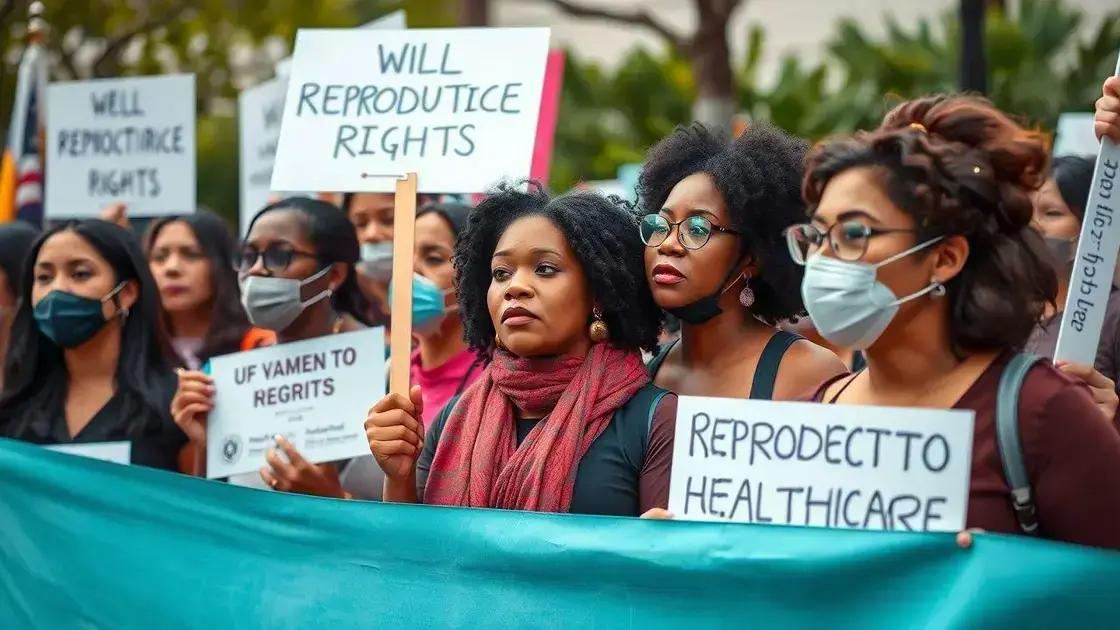
The impact on women’s reproductive rights in the wake of Roe v. Wade has been profound and multifaceted. This landmark decision has set the stage for ongoing debates about equality, bodily autonomy, and healthcare access for women across the United States.
Access to Safe Abortions
Roe v. Wade allowed many women access to safe and legal abortion services for nearly five decades. This ruling significantly influenced how women view their reproductive choices and rights. However, the erosion of these rights in various states has started to create notable challenges.
Social and Economic Consequences
The limitations on abortion access can lead to severe social and economic consequences for women. When faced with restricted choices, many women may find themselves in difficult situations. They might struggle to maintain employment or continue their education. In fact, studies show:
- Women who have access to abortion are more likely to participate in the workforce.
- Restrictions correlate with increased rates of poverty among women and families.
- Women’s health can deteriorate without access to safe reproductive services.
Additionally, these restrictions may disproportionately affect marginalized communities, further widening the gap in healthcare equality. Women of color and those in low-income areas often face the greatest barriers.
Despite the challenges, the fight for reproductive rights continues. Advocacy groups work tirelessly to push back against restrictive laws and ensure that women maintain agency over their bodies. Awareness and education play significant roles in these efforts, helping to shine a light on the importance of access to reproductive healthcare.
Public opinion trends on Roe v. Wade
Public opinion trends on Roe v. Wade illustrate the evolving attitudes towards reproductive rights in the United States. Over the years, polls and surveys have captured a wide spectrum of views, reflecting how people feel about abortion and women’s rights.
Shifts in Support and Opposition
Research indicates that public opinion on abortion has fluctuated significantly. Many Americans support the right to choose, while others believe in more restrictions. Recent surveys show a complex picture:
- Approximately 60% of Americans support maintaining the core principles of Roe v. Wade.
- A growing segment of the population advocates for more stringent regulations.
- Younger generations tend to favor reproductive rights compared to older demographics.
This shift suggests that as societal values change, so does the perspective on reproductive health decisions. It is essential to understand how these trends can influence legislation and public policy.
The Role of Education and Advocacy
Education and advocacy efforts have also played a crucial role in shaping public opinion. Many organizations work to inform the public about implications of reproductive rights, leading to increased awareness. Campaigns focus on highlighting the importance of access to healthcare and the consequences of restrictive laws.
Local and national dialogues around these issues engage citizens, prompting discussions that can lead to greater understanding and change. Notably, social media platforms have become a vital space for sharing stories and mobilizing support.
As discussions around Roe v. Wade continue to evolve, it is important to monitor public sentiment and its potential impact on future policies. Engaging in open conversations helps ensure that women’s reproductive rights remain a priority in political discourse.
Future implications for reproductive health
The future implications for reproductive health are shaped by ongoing legal battles and shifting public opinions. As we look ahead, the landscape of reproductive rights may undergo significant changes that affect access and choices for women across the country.
Potential Changes in Legislation
With many states pushing to restrict abortion rights, the potential for new legislation could redefine reproductive health services. States may consider:
- Implementing more restrictive laws that limit access to abortion.
- Enhancing protections for reproductive rights in response to public advocacy.
- Creating buffer zones around clinics to protect individuals seeking services.
Such changes can have a ripple effect, influencing not just legal frameworks but also how women perceive their rights and choices.
The Role of Technology and Health Care Access
Advancements in technology are also likely to play a significant role in the future of reproductive health. Telehealth services are becoming more common, providing women with easier access to reproductive health care. This can help bridge the gap for those in remote areas or with limited mobility. New methods, such as medical abortions through telemedicine, could increase access. However, challenges still exist:
- Legal barriers in certain states hinder the use of telehealth for reproductive services.
- Access to comprehensive sex education remains inconsistent across different regions.
- Socioeconomic factors can limit certain populations from receiving adequate care.
As the dialogue over reproductive rights evolves, public opinion will play a crucial role in shaping policies. Advocacy groups continue to raise awareness about the importance of access to reproductive health care, influencing legislators and mobilizing community support.
Understanding the implications of these changes is vital for anyone engaged in discussions around reproductive rights. The interplay between legal actions, public sentiment, and healthcare advancements will dictate the future of reproductive health in the United States.
FAQ – Frequently Asked Questions about Roe v. Wade and Reproductive Rights
What is Roe v. Wade?
Roe v. Wade is a landmark Supreme Court case from 1973 that established a woman’s legal right to have an abortion under the right to privacy.
How has public opinion changed regarding Roe v. Wade?
Public opinion has shifted over time, with recent surveys indicating increased support for maintaining abortion rights, particularly among younger generations.
What recent legal changes have impacted reproductive rights?
Many states have passed laws restricting access to abortion, including bans after a fetal heartbeat is detected, leading to ongoing legal battles.
What are some future implications for reproductive health?
Future implications may include new legislative measures that could restrict access to abortion and increased reliance on telehealth services for reproductive care.