Wildfire news in California focuses on the latest fire incidents, community preparedness, firefighter strategies, and available resources to ensure safety and support for affected populations during wildfire season.
Wildfire news California is more important than ever, especially with the rising frequency of these devastating events. Have you ever wondered how you can stay safe and prepared during such emergencies? Let’s dive into the latest updates and essential tips to help you and your loved ones.
Current wildfire incidents in California
Understanding the current wildfire incidents in California is crucial for residents and policymakers alike. With the summer months bringing heat and drought, the risk of wildfires increases significantly. Awareness of ongoing fires can help communities stay informed and prepared.
Recent Fires in California
California has faced numerous wildfire outbreaks this year, affecting many regions. These fires pose threats to air quality, health, and safety. Keeping track of these incidents allows individuals to make informed decisions regarding evacuation and safety measures.
Key Statistics
- Number of acres burned: Approximately 1.5 million acres
- Major areas affected: Northern California, Southern California, and Sierra Nevada
- Number of evacuations: Over 50,000 residents displaced
Awareness of these statistics helps residents understand the magnitude of the problem. As wildfires progress, they can change rapidly, making timely updates vital for safety.
Engaging with local news and government updates is essential. Many organizations track wildfire incidents and provide forecasts of fire behavior. This information is invaluable for planning and preparedness.
Tips for Staying Informed
- Follow local news channels regularly.
- Sign up for emergency alerts from authorities.
- Use apps specialized in tracking wildfires.
By remaining vigilant and informed about the current wildfire incidents in California, you can better protect yourself and your family. Stay tuned to resources that provide real-time updates.
Impacts of wildfires on local communities
The impacts of wildfires on local communities are profound and far-reaching. Fire incidents not only devastate landscapes but also have significant social and economic consequences. Many residents are often left to face the aftermath of destruction, which can lead to disruption in their daily lives.
Economic Effects
Wildfires can lead to extensive economic loss for affected communities. Businesses may close temporarily or permanently, and tourism can decline, as people avoid areas impacted by fire. Crop destruction is another major concern for agricultural communities, resulting in lost income and increased food prices.
Health Risks
The health risks associated with wildfires are alarming. Smoke from fires can cause respiratory problems, especially among vulnerable populations such as children and the elderly. Increased levels of particulate matter in the air can lead to long-term health issues. It is important for communities to have access to health advisories during fire events.
Community Displacement
Many residents find themselves displaced due to evacuations. This disruption can lead to emotional and psychological stress, complicating recovery. Rebuilding homes and restoring normalcy is often a lengthy and complex process, leaving many feeling frustrated and helpless.
- Support Services: Local organizations often step up to provide assistance.
- Community Resilience: Building back stronger can foster unity.
- Emergency Preparedness: Planning can mitigate future risks.
The impacts of wildfires on local communities extend beyond immediate destruction. They create long-lasting challenges that require a collective effort to address. Understanding these impacts is key to developing effective support strategies and preparing for future incidents.
How to prepare for wildfire season
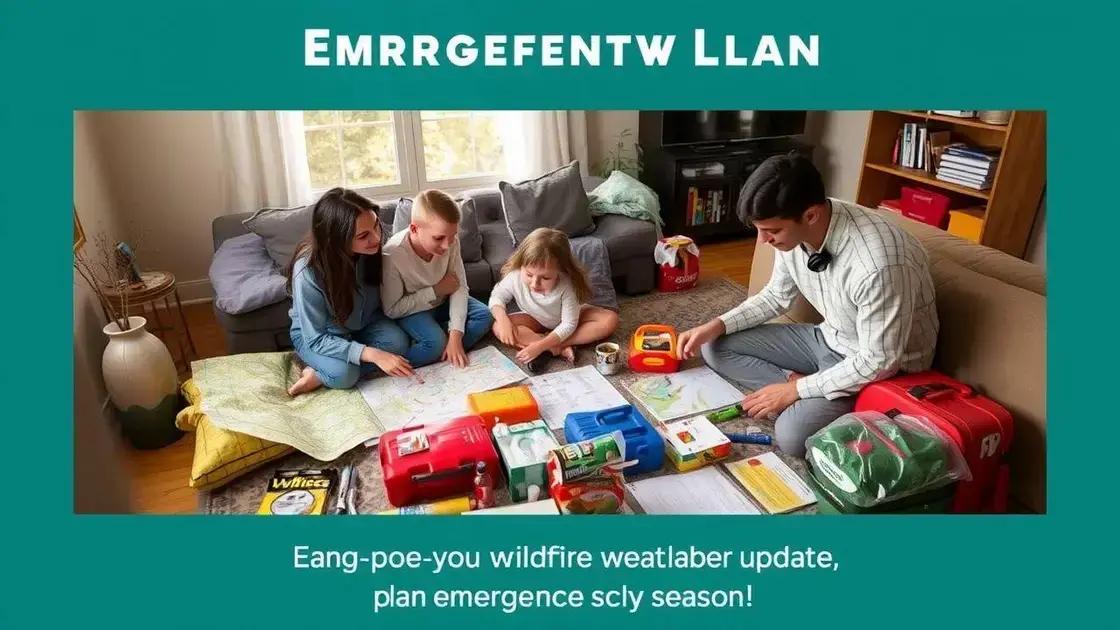
Preparing for wildfire season is essential for ensuring safety and minimizing damage. Communities need a proactive approach to manage the risks associated with wildfires, especially in high-risk areas. Understanding the steps to take can provide peace of mind as the fire season approaches.
Creating an Emergency Plan
One of the first steps in preparation is to create a detailed emergency plan. This plan should include evacuation routes, meeting points, and communication methods. Having a clear strategy can help families stay organized and reduce chaos during an emergency. It’s also important to rehearse this plan with all family members.
Home Preparedness
Making homes more fire-resistant is another crucial step. Here are some tips to enhance your home’s safety:
- Clear vegetation: Remove dead leaves and other debris from around your home.
- Install fire-resistant materials: Use non-combustible materials for roofing and siding.
- Create a defensible space: Maintain a buffer zone of at least 30 feet between your home and flammable vegetation.
In addition to these steps, keeping an emergency supply kit ready can make a significant difference. This kit should include first aid supplies, water, non-perishable food, and important documents. Regularly check the contents of your kit to ensure everything is up to date.
Stay Informed
Monitoring local fire alerts and weather conditions is vital during fire season. Radio broadcasts and smartphone apps can provide timely updates about fire risks. Understanding the forecast helps you make informed decisions about your safety and any potential evacuations.
Preparing for wildfire season is not just about having the right materials; it’s also about fostering a culture of readiness within your community. By sharing information with neighbors and participating in local preparedness events, communities can strengthen their collective response capacity.
Recent changes in firefighter strategies
Recent changes in firefighter strategies have been necessary due to the increasing frequency and intensity of wildfires. Firefighters are adapting to new challenges posed by climate change, making their tactics more effective in controlling wildfires and protecting lives and property.
Adopting Technology
One significant change is the use of advanced technology. Drones are increasingly becoming essential tools for firefighters. They provide real-time aerial views of the fire, helping crews assess the situation more accurately. Additionally, infrared cameras can identify hot spots, allowing firefighters to focus their efforts where they are needed most.
Community Engagement
Another shift is increased engagement with local communities. Firefighters now work more closely with residents to educate them about fire safety and prevention. This involvement helps residents understand their role in preventing wildfires and knowing what to do if a fire breaks out. Collaboration has led to better-prepared communities.
New Tactics
Firefighters are also implementing new tactics for fire suppression. For example, the use of controlled burns and creating fire breaks is becoming more common. These methods help manage fuel loads and reduce the intensity of wildfires. More emphasis is placed on proactive measures rather than just reactive firefighting.
- Collaborative training: Firefighters train together with local agencies to improve coordination.
- Resource sharing: Enhanced cooperation between states facilitates better resource allocation during major incidents.
- Public safety campaigns: Ongoing campaigns educate about fire risks and prevention strategies.
These changes in firefighter strategies illustrate a dynamic response to an evolving crisis. By embracing technology, engaging with communities, and adapting suppression tactics, firefighters are better equipped to handle the challenges of modern wildfire incidents.
Resources for community support during wildfires
Resources for community support during wildfires are essential for helping residents navigate the challenges posed by fire incidents. Local governments, non-profit organizations, and community groups play vital roles in providing assistance to those affected.
Emergency Services
Emergency service agencies are often the first responders in wildfire situations. They provide crucial services such as evacuation assistance and shelter. Knowing where to find these services can save lives and provide immediate safety. Residents should familiarize themselves with local emergency contact numbers and protocols.
Community Organizations
Many community organizations offer support and resources during wildfire events. These groups often provide:
- Shelters: Locations where residents can stay safe during evacuations.
- Food and water: Supplies to those displaced by the fires.
- Emotional support: Counseling services for those experiencing stress and trauma.
Engaging with these organizations can build a strong network of support. Community members can volunteer or donate resources to help their neighbors.
Online Information and Resources
Online platforms are valuable for keeping communities informed. Websites and social media channels often provide real-time updates on wildfires, evacuation orders, and safety tips. Residents should regularly check these sources during fire season for critical information.
In addition, local fire departments frequently run educational programs. These programs teach communities about fire safety, prevention measures, and emergency preparedness planning. Being proactive and informed can significantly reduce risks during wildfire incidents.
Sharing resources and staying connected is vital. The more informed and prepared a community is, the better it can support its members during challenging times. Utilizing available resources effectively can enhance overall resilience against wildfires.
FAQ – Frequently Asked Questions about Wildfires in California
What should I do if a wildfire is approaching my area?
If a wildfire is approaching, follow evacuation orders from local authorities, prepare an emergency kit, and stay informed through news updates.
How can I protect my home from wildfires?
You can protect your home by creating a defensible space, using fire-resistant materials, and clearing vegetation around your property.
What resources are available for community support during wildfires?
Local organizations, emergency services, and community groups often provide shelters, food, and emotional support for those affected.
What technologies are firefighters using to combat wildfires?
Firefighters are using drones for aerial surveillance, infrared cameras to detect hot spots, and enhanced communication tools to coordinate their response efforts.