Policy changes significantly impact society by influencing economic conditions and social dynamics, shaping public opinion, and prompting community engagement in political discussions.
Politicsdailytracker offers a unique lens into the ever-changing world of politics. Curious about what’s shaping our daily lives? Let’s explore the most important stories and insights that matter.
Understanding the daily political landscape
Understanding the daily political landscape is crucial for being an informed citizen. Politics shapes our lives in many ways, affecting everything from local policies to international relations.
Every day, different events unfold that can significantly impact this landscape. Factors such as elections, legislative changes, and social movements come into play, making it essential to stay updated.
Key Factors Influencing Politics
Several elements influence the daily political environment:
- Current events and news coverage
- Public opinion polls and surveys
- Media portrayal of political issues
- Grassroots movements and activism
Each of these factors contributes to how we perceive and understand politics. For example, current events often shift the focus of public discourse. An event that garners attention today might not be as relevant tomorrow.
The Role of Public Opinion
Public opinion plays a vital role in shaping political decisions. Lawmakers often rely on feedback from their constituents. This is why following public opinion polls regularly is important for understanding potential shifts in policies.
Additionally, media coverage can sway public perception, emphasizing certain issues and often prompting discussions around them. Engaging with various sources allows for a broader understanding of the political landscape.
Impact of Media
The media serves as a major source of information, influencing how we interpret political happenings. News outlets can frame stories in different ways, leading to diverse perceptions among the public. Consider discussing how you consume news and how it affects your political viewpoint.
Being aware of these dynamics will enable you to understand why certain topics rise and fall in importance. Keeping up with social media can also provide insights into trending political issues, offering a platform for diverse opinions.
By incorporating these elements into your daily routine, you can better navigate the complexities of the daily political landscape.
Key events to follow this week
Keeping track of key events is essential for understanding the political dynamics of the week. Each week brings significant happenings that can shape opinions and decisions. By staying informed, you can better engage in discussions.
This week, several major events are scheduled, making it a crucial time to pay attention. These events range from legislative sessions to important speeches that may influence public policy.
Upcoming Legislative Sessions
Legislative sessions are critical as they often decide the fate of various bills. Many bills are up for discussion this week:
- New education reform proposals
- Healthcare policy updates
- Economic recovery plans
- Local infrastructure projects
Each of these topics has the potential to spark debates and require public input, making it important for citizens to stay aware.
Political Speeches and Debates
This week also features significant speeches from key political figures. These speeches often set the tone for upcoming decisions and can sway public opinion:
- State of the Union address
- Debate on climate change policy
- Public address on economic strategies
Listening to or reading about these speeches can enhance your understanding of different political viewpoints, providing a more rounded perspective on current issues.
By following these key events, you become an informed participant in the democracy. Understanding what is happening each week allows you to critically assess the political landscape and contribute meaningfully to conversations about it.
Analyzing shifts in public opinion
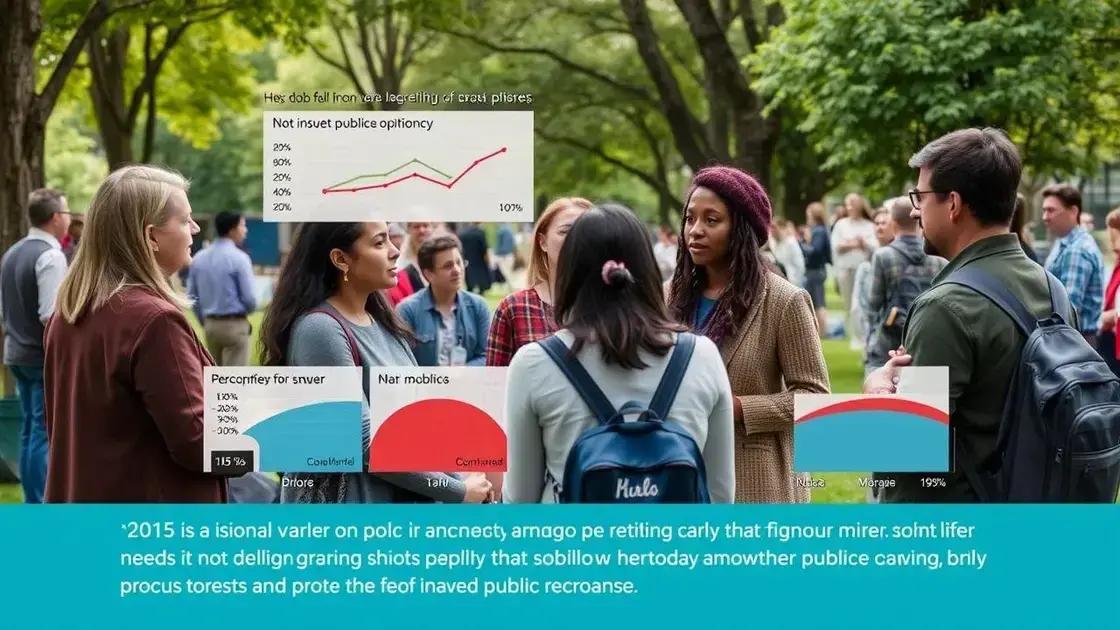
Analyzing shifts in public opinion is essential in understanding the political climate. Public opinion can change due to various factors, including social media, major events, and influential leaders. Recognizing these shifts helps us grasp how policies and elections are shaped.
The way people feel about issues can impact the decisions made by politicians. For instance, a sudden increase in concern about climate change may lead to new environmental policies. Thus, tracking these changes is important for anyone engaged in politics.
Factors Influencing Public Opinion
Several factors contribute to shifts in public opinion:
- Recent events, such as protests or scandals
- Media coverage and representation
- Impact of social media discussions
- Prominent figures speaking out on issues
For example, when a prominent leader addresses a critical issue, it can sway public sentiment. Additionally, social media serves as a platform for citizens to express their views rapidly.
The Role of Polls and Surveys
Polls and surveys are valuable tools used to gauge public opinion. They provide snapshots of how people feel about different topics at a specific time:
- Tracking support for policies
- Identifying key issues that matter to voters
- Understanding demographic differences in opinion
These tools can highlight significant trends and shifts in thinking, allowing us to respond to the changing attitudes of the populace. For instance, a poll might reveal growing support for healthcare reform among younger voters, influencing campaign strategies.
Becoming aware of these changes allows you to engage more accurately in discussions and understand the implications of public sentiment in the political arena. Observing how these factors interact helps decipher the evolving landscape.
The role of social media in politics
The role of social media in politics has significantly grown in recent years. It provides a platform for instant communication and engagement with a wider audience. Politicians and citizens alike now rely on social media to share updates and opinions.
Social media platforms like Twitter, Facebook, and Instagram have transformed how political messages are delivered. These platforms allow for direct interaction between politicians and the public, enabling a two-way conversation that wasn’t possible before.
Immediate Communication
One major aspect of social media is its ability to facilitate immediate communication:
- Breaking news updates can spread in seconds.
- Public reactions are instantaneous, influencing narratives.
- Engagement through comments and shares creates a dialogue.
This immediacy allows politicians to gauge public sentiment quickly. For instance, a tweet might spark widespread debate, indicating a need for politicians to address a specific issue.
The Impact on Elections
During election cycles, social media plays a crucial role:
- Candidates launch campaigns primarily online.
- Voters can access a wealth of information about candidates.
- Campaigns often target specific demographics using data analytics.
This targeted approach helps candidates maximize their outreach. Engaging content can sway undecided voters and mobilize supporters. Moreover, the viral nature of social media can amplify messages rapidly.
However, with this influence comes challenges. Misinformation can spread just as quickly as accurate information. Thus, it becomes crucial for users to verify sources before sharing content. Understanding how social media shapes political discourse enables better navigation of current events and elections.
Impacts of policy changes on society
The impacts of policy changes on society can be profound and far-reaching. When new laws or regulations are implemented, they bring various effects that influence everyday life, from economics to social behavior.
Understanding these impacts requires looking at both intended and unintended consequences of policies. For example, a new environmental law aimed at reducing pollution may help clean up air quality, but it could also affect local businesses and job markets.
Economic Impacts
Policy changes often have immediate economic implications:
- Tax reforms can increase disposable income for families.
- Regulations can either spur growth or limit business operations.
- Subsidies for certain industries may create new job opportunities.
These economic shifts impact how families manage their finances and how businesses operate, influencing overall economic stability and growth.
Social Implications
Alongside economic effects, policies also shape social dynamics within communities. Changes in laws regarding healthcare access or education funding can lead to:
- Improved quality of life for certain populations.
- Increased disparities if some groups benefit more than others.
- Changes in public opinion and societal values.
As society adapts to new policies, the public response can lead to further advocacy or opposition, influencing future political actions. For example, widespread support for healthcare reforms may lead to enhancements in health services, while backlash against certain regulations can prompt their repeal.
By analyzing the impacts of policy changes, citizens can become more informed and engaged in discussions about necessary reforms. Understanding these dynamics helps in anticipating how future changes may affect various aspects of society.
In conclusion, understanding the effects of policy changes on society is critical for informed citizenship. These changes can reshape economic situations and social dynamics significantly. By staying aware of how policies affect our lives, we can participate more actively in discussions and advocate for the issues that matter to us. It is important to realize that every policy brings both benefits and challenges, and recognizing these can empower us to engage in our communities.
FAQ – Frequently Asked Questions about Policy Changes and Their Impacts
How do policy changes affect the economy?
Policy changes can lead to economic growth or contraction, impacting jobs, taxes, and spending power.
What are the social implications of new policies?
New policies can change community dynamics, influence public health, and alter social services availability.
Why is public opinion important in politics?
Public opinion shapes political decisions and can lead to significant changes in policy based on what citizens favor.
How can communities engage with policymakers?
Communities can engage by attending town hall meetings, voicing concerns through social media, and participating in local advocacy groups.