The US housing market trends today show that buyers should monitor price fluctuations, diversify investments, and negotiate wisely to safeguard their financial interests amidst changing conditions.
The US housing market crash raises many questions for homeowners and potential buyers alike. What are the implications for your investments? Let’s explore the landscape and discover how it’s all connected.
Understanding the US housing market today
Today, understanding the US housing market is crucial for anyone looking to buy or sell property. It is influenced by various factors that can change rapidly, impacting prices and demand.
The current market is characterized by shifting trends, with many buyers feeling uncertain about their decisions. Recent data shows that mortgage rates have increased, which can affect home affordability. As we explore the current landscape, we will look closer at key indicators that signal market conditions.
Key indicators of the housing market
To comprehend the US housing market, it is essential to consider these indicators:
- Median home prices
- Mortgage interest rates
- Inventory levels of homes for sale
- Days on market for listings
These factors play a significant role in determining whether it’s a buyer’s or seller’s market. For instance, when inventory is low, competition increases, often driving prices up. Conversely, high inventory can lead to lower prices and more options for buyers.
Current market trends
The US housing market has seen trends like remote work influencing buyer preferences. Many people now seek homes with office space or in less densely populated areas. This shift has led to increased demand in suburban and rural regions.
Moreover, economic conditions also impact buyer behavior. When the economy is strong, more people are willing to invest in homes. However, in uncertain times, buyers may hesitate. It’s essential for potential buyers and sellers to stay informed about these trends as they navigate the market.
In conclusion, gaining an understanding of the current US housing market involves recognizing the key indicators and trends that shape it. By being aware of these dynamics, buyers and sellers can make informed decisions suited to their needs.
Key factors leading to past housing crashes
Understanding the key factors leading to past housing crashes can provide valuable insights into the current US housing market. By examining historical events, we learn what signs to watch for today.
One significant factor is the rise of subprime lending. In the past, banks granted loans to individuals with poor credit histories. This caused a surge in home buying, but many buyers found it hard to keep up with their mortgage payments, leading to defaults.
Market speculation
Speculation is another critical factor. Many people believed that home prices would continue to rise forever, encouraging them to invest without considering the risks. This led to inflated prices and, eventually, a market correction.
- Overpricing of homes
- Increased foreclosures
- High levels of debt among borrowers
- Economic downturns
These elements can exacerbate a housing market crash, as seen in past events. When many homeowners are unable to pay their mortgages, foreclosures increase. This drives prices down further and can create a downward spiral.
Government policies
Government policies also contribute to housing market stability. In the past, actions such as deregulating the financial sector or lax lending standards led to instability. When the government fails to regulate practices effectively, it opens the door to risky behavior that can lead to a crash.
In addition, changes in interest rates can impact the market. Low rates may encourage borrowing, while high rates typically cool demand. Understanding these aspects of past crashes helps buyers and sellers navigate today’s market safely.
How current trends compare to previous crashes
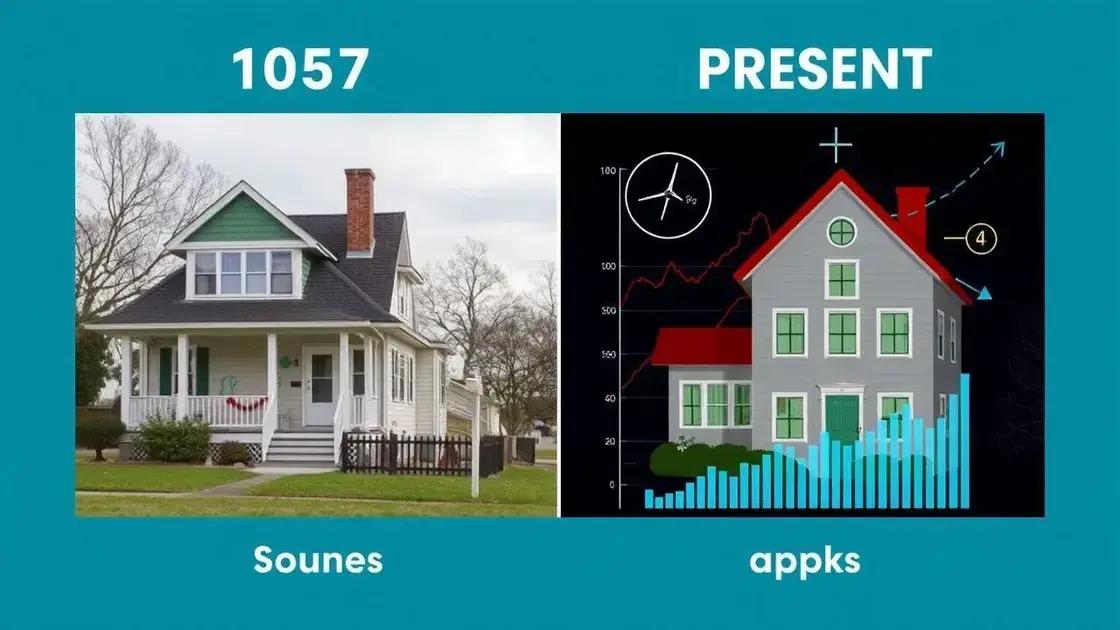
Comparing how current trends relate to previous housing crashes provides essential context for understanding today’s US housing market. By examining these similarities and differences, we can better anticipate what might happen next.
One noticeable trend now is the increase in home prices, similar to previous situations before market crashes. Buyers are competing for a limited inventory, driving prices up. This mirrors past scenarios where inflated prices eventually led to a market correction.
Interest rates and their impact
Interest rates are another significant factor. In past crashes, low rates encouraged borrowing, leading to greater home sales. Currently, rates are rising, which may deter some buyers. Higher rates can lead to a slowdown in demand, similar to the aftermath of previous crashes when affordability became a pressing issue.
- Higher prices creating buyer fatigue
- Increased borrowing costs limiting access to homes
- Market uncertainty leading to hesitation among buyers
- Potential for rising foreclosures
Furthermore, the presence of risky loans in the market today raises concerns, reminiscent of the subprime lending that contributed to the last crash. Lenders are again offering various loan options that may not prioritize long-term borrower health.
Economic factors at play
Economic variables also play crucial roles. For instance, inflation can influence buyer confidence and spending power. When incomes do not keep pace with inflation, potential homebuyers may reconsider their decisions. This scenario has occurred in previous downturns, highlighting a disconnect between wages and housing costs.
Overall, while there are critical differences today, such as stricter regulations compared to the 2008 crisis, the echoes of past trends are evident. Analyzing these comparisons helps current and future buyers make informed choices in today’s evolving market.
Advice for home buyers in a declining market
For home buyers in a declining market, having the right advice can make all the difference. Understanding the current landscape of the US housing market is essential to make informed decisions.
One key piece of advice is to stay patient. In a declining market, prices may drop further, so rushing into a purchase could lead to paying more than necessary. Monitor market conditions and be prepared to act when the time is right.
Research and preparation
Another important step is conducting thorough research. Buyers should look into various neighborhoods and compare prices. Knowing the average prices in different areas can help find good deals. Consider these tips for your research:
- Examine historical price trends
- Understand the average days homes are on the market
- Check for any upcoming development projects
- Look into local job market conditions
Taking your time to investigate these factors can lead to smarter buying decisions.
Negotiating wisely
When you’ve found a home you like, negotiating wisely is crucial in a declining market. Sellers may be more willing to lower prices due to lesser demand. Approach negotiations with confidence while remaining respectful. Make a fair offer based on your research, and be prepared to back it up with facts.
Additionally, consider asking for repairs or upgrades. In a buyers’ market, you can often negotiate for sellers to cover some of these costs. This can enhance the value of your new home while making your offer more attractive.
Finally, work with an experienced real estate agent. They can guide you through the process and offer insights tailored to the current market. A good agent not only helps with negotiations but also provides knowledge on emerging trends, making them an invaluable resource for any home buyer.
Steps to safeguard your investments
Safeguarding your investments in the US housing market is crucial, especially during uncertain times. By taking strategic steps, you can protect your financial future.
The first step is to diversify your investments. Don’t put all your money into a single property or market segment. Instead, consider multiple properties in different locations or even alternative investment types like stocks or bonds. This way, if one investment underperforms, others can help balance out your portfolio.
Regular market analysis
Another important step is to conduct regular market analysis. Keeping an eye on market trends helps you understand changing conditions. Monitor market data, housing prices, and economic indicators. This information can aid in making timely decisions about when to buy, sell, or hold your properties.
- Review local market reports
- Stay updated with interest rate changes
- Follow news about housing regulations
- Consult real estate professionals
By being informed, you increase your chances of success.
Emergency funds
Having an emergency fund is also vital. Unexpected expenses can arise, such as urgent repairs or market downturns. Set aside savings specifically for these situations. Financial experts often recommend having at least three to six months’ worth of expenses in reserve.
In addition, it’s wise to consider getting insurance for your properties. This includes homeowners insurance as well as additional coverage for rental properties. Proper insurance protects you from significant financial losses in case of accidents, natural disasters, or other unforeseen issues.
Finally, always work with experienced professionals. Whether it’s a real estate agent, accountant, or financial advisor, having the right team can make a big difference. They can provide valuable insights and guidance tailored to your specific needs and help you navigate the complexities of the housing market more effectively.
In summary, navigating the US housing market requires a good understanding of current trends and past practices. By knowing the key factors that lead to market fluctuations, such as interest rates and economic conditions, home buyers can make informed decisions. Safeguarding your investments through diversification, regular market analysis, and having an emergency fund are essential steps. Working with experienced professionals will also greatly support your investment journey. Stay informed, remain patient, and take proactive measures to thrive in this ever-evolving market.
FAQ – Frequently Asked Questions about the US Housing Market
What should I do if home prices are declining?
If home prices are declining, it may be a good time to buy, as you might find better deals. Stay patient and informed about market trends.
How can I protect my investment in real estate?
Diversify your investments, maintain an emergency fund, and conduct regular market analyses to safeguard your real estate investments.
Is it wise to negotiate when buying a home?
Yes, negotiating can help you get a better price or ask for repairs. In a buyer’s market, sellers are often more flexible.
Why is working with a real estate agent important?
A real estate agent can provide expert knowledge, help you navigate the market, and assist with negotiations and paperwork.