Weather alerts in the USA provide crucial real-time notifications about severe weather conditions, helping individuals prepare and respond effectively to potential dangers such as storms, tornadoes, and floods.
Weather alerts USA today are essential for staying ahead of unpredictable natural events. Have you ever been caught off guard by sudden storms? That’s where timely alerts come in handy. Let’s dive deeper into how they work and how you can stay informed.
Understanding the importance of weather alerts
Understanding the importance of weather alerts is crucial for anyone living in areas prone to severe weather. With changing climatic conditions, staying informed can mean the difference between safety and danger.
Why Weather Alerts Matter
Weather alerts provide timely updates on hazardous conditions like storms, floods, and hurricanes. They help you prepare and act quickly, ensuring your safety and that of your loved ones.
Key Benefits of Weather Alerts
- Receive immediate notifications about severe weather in your area.
- Plan ahead for evacuations or emergency responses.
- Stay up to date with real-time information from reliable sources.
By understanding and acting on these alerts, you can minimize risk. Additionally, having these alerts allows communities to organize responses and assist those who may be vulnerable.
Whether through radio broadcasts or smartphone apps, staying connected to weather updates is essential. Trustworthy weather applications ensure that no significant alert slips through the cracks, keeping your family informed.
How to Access Weather Alerts
There are numerous ways to receive alerts, including:
- Local news channels broadcasting live updates.
- Weather apps that push notifications directly to your phone.
- Community alert systems sending texts or emails during severe weather.
Incorporating these alerts into your daily routine can significantly enhance your preparedness. Always ensure your devices are set to receive updates.
In summary, understanding the importance of weather alerts helps you react swiftly, providing peace of mind during unpredictable weather events. Being alert today can save lives tomorrow.
How weather alerts are issued
How weather alerts are issued involves a systematic process that ensures timely and accurate notifications are sent to the public. Understanding this process can help you appreciate the role of weather services in keeping us safe.
The Role of Meteorologists
Meteorologists play a crucial role in assessing weather conditions. They analyze data from satellites, radars, and weather stations to identify potential hazards. By using advanced technology, they can predict storms, heavy rainfall, or other severe conditions.
Alert Criteria and Levels
Weather alerts are categorized based on the severity of the situation:
- Watch: Indicates that conditions are favorable for severe weather.
- Warning: Means severe weather is imminent or occurring.
- Advisory: Advises of planned events that may cause inconvenience but are not severe.
Different agencies may use specific criteria based on local factors, helping refine what type of alert gets issued.
Once potential severe weather is detected, meteorologists issue alerts through the National Weather Service (NWS) or local agencies. They utilize multiple communication channels, including television broadcasts, radio stations, and mobile alerts. Notifications are sent out as soon as a threat is identified, providing critical lead time for you to prepare.
Communication Channels
Alerts reach the public through various methods:
- Emergency Alert System (EAS) broadcasts on radio and television.
- Wireless Emergency Alerts (WEA) sent directly to mobile devices.
- Social media platforms where agencies share timely updates.
Utilizing multiple channels ensures that alerts reach as many people as possible. Staying informed helps communities prepare and respond quickly to emergencies.
Types of weather alerts in the USA
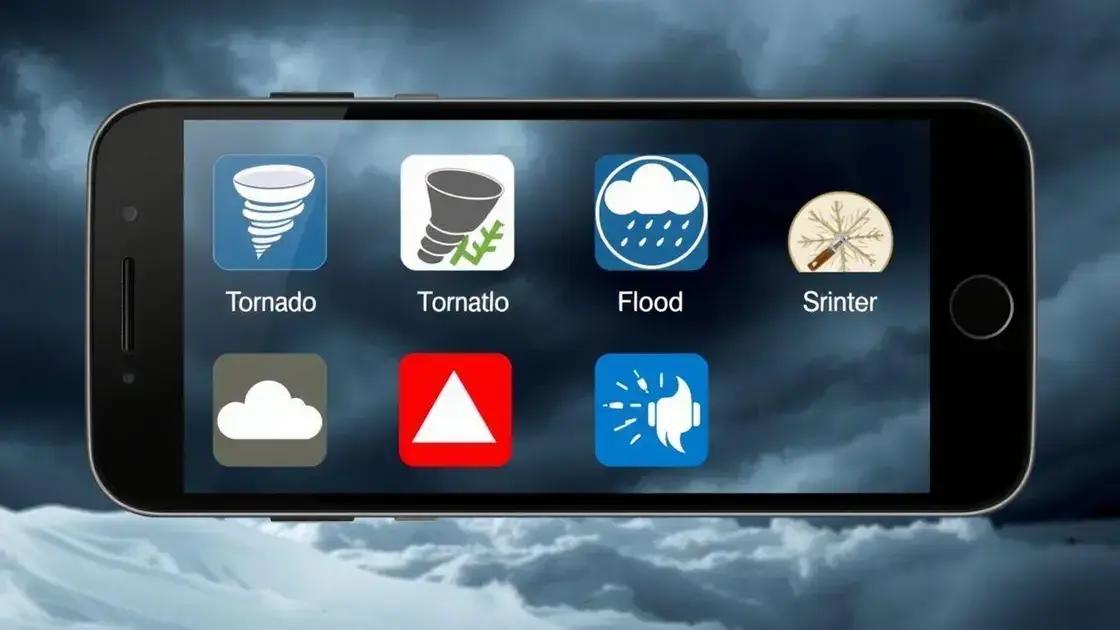
Understanding the different types of weather alerts in the USA can help you prepare for various weather events. Each type of alert indicates a specific level of danger and what actions you should take.
1. Severe Thunderstorm Warning
A severe thunderstorm warning means that a storm is currently occurring or will happen shortly. This alert advises you to seek shelter, as thunderstorms can produce damaging winds and hail.
2. Tornado Warning
A tornado warning is issued when a tornado is either spotted or indicated by radar. This alert is critical and requires immediate action, such as moving to a basement or an interior room without windows.
3. Flood Warning
A flood warning indicates that flooding is imminent or already occurring in the area. It is vital to avoid flooded roads and heed any evacuation orders given by local authorities.
4. Winter Weather Advisory
This type of alert advises about expected winter weather conditions that could cause travel difficulties. It may include light snow, sleet, or freezing rain that creates slippery roads.
5. Hurricane Warning
A hurricane warning is issued when sustained winds of 74 mph or greater are expected in the area. It is essential to follow evacuation orders and prepare emergency kits.
These alerts serve as crucial tools for ensuring public safety. Staying informed about the specific types helps you respond effectively when severe weather strikes. By understanding what each alert means, you can act quickly and take appropriate precautions.
Tips for preparing for severe weather alerts
Preparing for severe weather alerts is essential for keeping yourself and your family safe. Knowing how to respond to unexpected weather events can help mitigate risks and ensure readiness.
1. Create an Emergency Kit
Your emergency kit should include essentials such as water, non-perishable food, flashlights, batteries, and a first aid kit. Ensure that you have enough supplies to last for at least 72 hours.
2. Stay Informed
Sign up for weather alerts through your smartphone. There are various apps that provide real-time notifications. This way, you will be among the first to know when severe weather is coming your way.
3. Have a Family Communication Plan
Make sure everyone in your family knows what to do during severe weather. Establish a meeting point and ensure that everyone knows how to contact one another. This is crucial in case of power outages or disruptions.
4. Prepare Your Home
Secure loose objects outside your home that may become projectiles in strong winds. Check your windows and doors to make sure they are secured. Consider investing in storm shutters or boarding up windows if a severe storm is on the way.
Additionally, review your insurance policies to make sure you have adequate coverage for any weather-related damages. Being proactive now can save you from larger headaches later on.
Regularly update your emergency kit, replace expired items, and review your family plan at least once a year. Make these preparations part of your routine, so you are ready when the next alert comes.
Using technology to receive weather updates
Using technology to receive weather updates has transformed the way we stay informed about severe weather conditions. Today, you can access accurate and timely information right from your smartphone or computer.
Weather Apps
One of the most effective ways to get notifications is through dedicated weather apps. Popular options like The Weather Channel, AccuWeather, and Weather Underground provide real-time alerts, radar maps, and detailed forecasts. These apps often allow you to customize alerts based on your location, ensuring you receive updates relevant to your area.
Social Media
Social media platforms also play a significant role in disseminating weather information quickly. Following local meteorologists or weather services on platforms like Twitter or Facebook lets you stay updated. Many agencies post live updates during severe weather events, which can help you react faster to changing conditions.
Local News Stations
Local TV and radio stations are also valuable sources for weather updates. Many stations offer livestreams and website updates that cover ongoing weather events. Tuning into these broadcasts can provide you with important community-specific notifications.
Emergency Alert Systems
Most smartphones have built-in systems that can send emergency alerts, including severe weather warnings. Make sure your phone’s settings allow these alerts to come through, even when the volume is off. This feature is crucial during emergencies when quick access to information can make a difference.
Integrating these technologies into your daily routine helps ensure you never miss an important update. With the right tools, you can stay aware and prepared for any severe weather that may come your way.
In conclusion, staying informed about severe weather through technology is essential for safety and preparedness. Utilize weather apps, social media, and local news to receive real-time updates and alerts. By creating an emergency plan and keeping your communication devices ready, you can ensure that you and your loved ones are safe during unexpected weather events. Remember, being prepared helps you respond effectively and protect what matters the most.
FAQ – Frequently Asked Questions about Weather Alerts
What should I do when I receive a severe weather alert?
Take immediate action based on the type of alert. Seek shelter if it’s a tornado warning, or prepare for evacuation if it’s a hurricane warning.
How can I stay informed about local weather updates?
Use weather apps, follow local meteorologists on social media, and tune into local news stations for real-time updates.
What items should I have in my emergency kit?
Your emergency kit should include water, non-perishable food, medications, flashlights, batteries, and a first aid kit.
Are weather alerts the same across different regions?
No, weather alerts can differ based on local weather agencies and conditions. Always check locally relevant sources for the most accurate alerts.