The White House race involves key candidates whose strategies must adapt to changing voter demographics, media influence, and emerging trends to effectively engage the electorate and secure votes.
The White House race is heating up, and it’s time to dive into what this means for voters. With various candidates emerging and the political landscape shifting, understanding the key players is essential for making informed decisions. Let’s explore what lies ahead.
Key candidates in the White House race
In the White House race, several candidates have emerged as key players, each with unique visions for America. It’s essential to understand who these candidates are and what they stand for as the elections draw closer.
Notable Candidates
The race features seasoned politicians and fresh faces, each bringing their perspectives to the table. They include:
- Candidate A: Known for their strong stance on healthcare reform.
- Candidate B: Advocating for climate change initiatives and sustainability.
- Candidate C: Focused on economic growth and job creation policies.
- Candidate D: A newcomer appealing to younger voters with progressive ideas.
As the race progresses, candidates will participate in debates that could significantly impact their standings. Voters are eager to hear how candidates plan to tackle pressing issues. Each candidate will highlight their strengths and address criticisms during these events.
Campaign Strategies
Strategic campaigning will be vital. Candidates need to forge connections with different demographics, especially young and minority voters. Utilizing social media effectively will be crucial in shaping public opinion.
Voter registration drives and outreach initiatives can bridge gaps and educate potential supporters on candidate platforms. The role of endorsements from influential figures can also sway undecided voters.
Throughout the campaign, it’s important for candidates to maintain transparency and engage with voters directly. Open dialogues will foster trust and enhance their appeal.
As we continue to monitor the White House race, each candidate’s journey will exemplify the diverse political opinions present in America today. The dynamics can shift with new polling data and public sentiment shifts, making this race particularly exciting.
Impact of debates on election outcomes
Debates play a crucial role in the political landscape, especially during the White House race. They provide a platform for candidates to present their ideas and challenge each other directly, allowing voters to gauge who aligns with their views.
How Debates Influence Voter Perception
Through debates, candidates have the opportunity to shape public opinion. Viewers often form impressions based on a candidate’s charisma, clarity, and ability to respond to tough questions. This can be a deciding factor for many voters.
- Clarity of Ideas: Candidates who articulate their policies well often perform better in polls.
- Performance Under Pressure: How a candidate responds to questions can reveal their leadership qualities.
- Memorable Moments: A standout phrase or action during a debate can boost a candidate’s visibility.
Additionally, debates can shift the narrative of a campaign. A strong performance might attract undecided voters, while a gaff or poor response can lead to negative press coverage and loss of support. Keeping this in mind, candidates prepare extensively for debate settings, practicing responses and refining their message.
Media Coverage of Debates
The media’s portrayal of debate performances also impacts voter perception. News outlets often analyze the exchanges, emphasizing the most significant moments. This can reinforce or undermine a candidate’s message, depending on how the story is framed. Voter interpretations are influenced by these narratives, making media portrayal vital.
As we head into critical phases of the White House race, debates are likely to become even more significant. They not only inform voters but also create an engaging dialogue around the issues that matter most to the electorate.
Voter demographics in the White House race
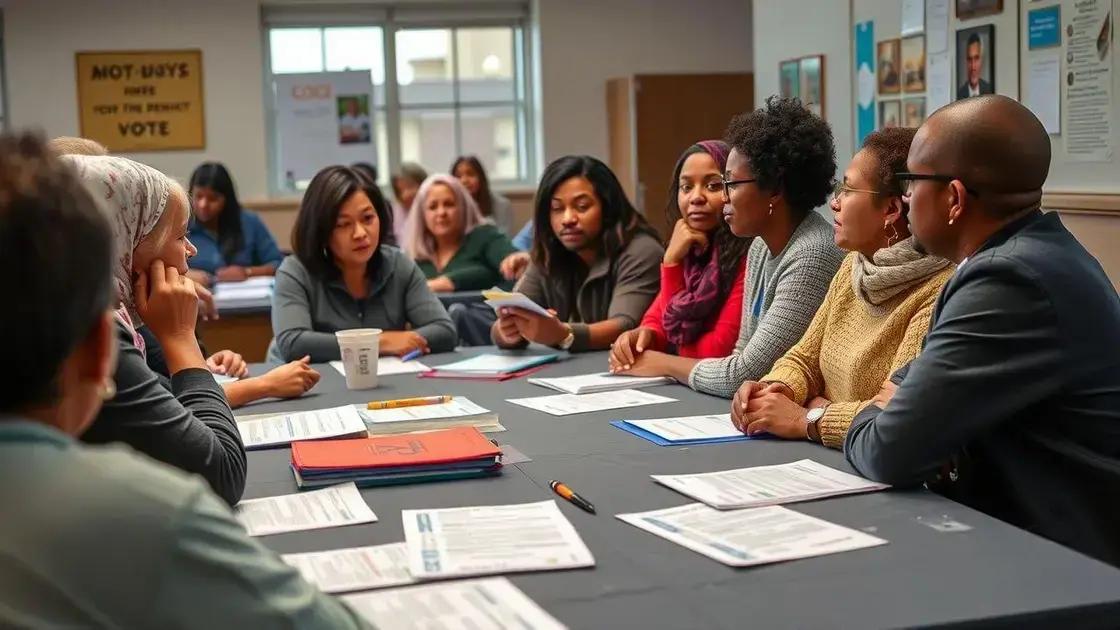
Understanding voter demographics is crucial in the context of the White House race. Different groups have distinct priorities and concerns that can significantly influence election outcomes. Candidates must connect with these demographics to build broad support.
Key Voter Groups
Among the most important voter demographics are:
- Young Voters: Often driven by issues like climate change and education.
- Minority Communities: Their concerns often include social justice and equality.
- Women Voters: Issues such as reproductive rights and healthcare access are significant for this group.
- Senior Citizens: Many focus on healthcare and retirement security.
As the White House race progresses, candidates tailor their messages to resonate with these varying groups. Addressing specific concerns helps candidates gain trust and support. Understanding voting patterns can also reveal shifts that may impact the election.
Importance of Outreach
Effective outreach is essential to mobilize different demographics. Candidates utilize social media, town halls, and community events to engage with voters directly. Building alliances with community leaders can also enhance their reach. For example, candidates can better connect with minority communities by collaborating with local organizations.
Polling data plays a key role in shaping campaign strategies. By analyzing voter preferences, campaigns can adjust messages and tactics to ensure they are appealing to the electorate. This data-driven approach helps identify important issues that the electorate cares about, ensuring candidates are prepared to address these topics.
As we navigate through the White House race, staying informed about voter demographics will be critical for understanding the ebb and flow of support for each candidate. Engaging with diverse voter groups can have a lasting impact on each candidate’s journey towards the election.
Media’s role in shaping election narratives
The media plays a vital role in shaping the narratives around the White House race. Through news coverage, social media, and public discussions, journalists and analysts help frame candidates and their platforms for voters.
Influence of Coverage
How the media covers each candidate can significantly impact public perception. Positive or negative stories can influence voter opinions, making it vital for candidates to manage their media presence carefully.
- News Reporting: Neutral reporting can inform voters, while biased coverage may skew public opinion.
- Opinion Pieces: Editorials and columns can provide deeper insights into candidates and issues.
- Fact-Checking: Media fact-checkers hold candidates accountable for their statements, providing clarity on misinformation.
As coverage changes, so do the narratives. A candidate who seems strong at first may falter if negative stories begin to emerge. Similarly, an underdog can gain traction with a positive shift in media coverage.
The Impact of Social Media
Social media has fundamentally transformed how information spreads during elections. Platforms like Twitter and Facebook allow candidates to communicate directly with voters. This instant access can build support or create backlash depending on how messages are received.
Viral moments on social media can launch a campaign into the spotlight or lead to significant controversy. Candidates often use these platforms to share updates, rally support, and respond to criticism. However, it’s easy for misinformation to spread, which can confuse voters.
As we move forward in the White House race, understanding the media’s influence will be essential for candidates and voters alike. Staying informed and critically evaluating media narratives can empower voters to make the right choices at the ballot box.
Predictions for the future of the White House race
As the White House race continues to evolve, making predictions about its future becomes essential for both voters and candidates. Understanding trends and potential shifts helps in anticipating how the political landscape may change.
Emerging Trends
Several trends are currently shaping the future of this race:
- Increased Diversity Among Candidates: More candidates from various backgrounds are entering the race, making it more representative.
- Focus on Key Issues: Candidates are likely to emphasize issues like climate change, healthcare, and economic inequality.
- Technology and Campaigning: The growing role of social media and digital campaigning tools will influence voter engagement.
As these trends unfold, they can alter voter support in unexpected ways. Candidates must adapt and remain flexible in their strategies to stay relevant in a fast-changing environment.
Voter Behavior Shifts
Shifts in voter behavior also have significant implications for the White House race. Younger voters, for instance, are becoming more politically active and engaged. This group tends to prioritize issues like social justice and environmental policies. Candidates who align themselves with these issues may gain traction among this important demographic.
Additionally, as misinformation can spread quickly, educating voters will be crucial. Campaigns that focus on transparency and clear communication may earn the trust of skeptical voters.
Based on current dynamics, predictions indicate that the upcoming elections may feature highly competitive primaries. Candidates will need to leverage data analytics to predict voter preferences and tailor their messages accordingly.
As we navigate the White House race, it’s clear that understanding the key candidates, voter demographics, and the media’s impact is essential. Trends suggest an emerging landscape where candidates must adapt to new voter priorities to succeed. The increasing influence of social media and shifts in voter behavior further illustrate the changing dynamics of this election cycle. Staying informed and engaged will empower voters to make their voices heard in this critical process.
FAQ – Frequently Asked Questions about the White House Race
What are the key factors influencing the White House race?
Key factors include candidate demographics, voter priorities, and the impact of media coverage.
How does social media affect election campaigns?
Social media allows candidates to communicate directly with voters and can shape public perception through shares and engagement.
Why is understanding voter demographics important?
Understanding voter demographics helps candidates tailor their messages and connect with specific groups effectively.
What role do debates play in the election process?
Debates provide a platform for candidates to present their views, allowing voters to compare their positions and personalities.