The WIC program eligibility requires applicants to be pregnant women, breastfeeding mothers, postpartum women, or children under five, with income and residency criteria determining eligibility for nutritional assistance.
WIC program eligibility is crucial for many families seeking nutrition assistance and health benefits. Are you curious about whether you qualify? Let’s dive into the necessary criteria and steps to find out more.
Understanding the WIC program overview
Understanding the WIC program is vital for many families looking for assistance. The Women, Infants, and Children (WIC) program supports the nutritional needs of pregnant women, new mothers, and young children. By knowing more about what WIC offers, you can better navigate the resources available to you.
What is the WIC Program?
The WIC program provides essential benefits, such as healthy foods, nutrition education, and breastfeeding support. This program is a federal assistance initiative that aims to improve health outcomes for low-income families.
Who Can Benefit?
To qualify for WIC, certain criteria must be met. Here are the key points:
- Pregnant women or new mothers
- Children up to age five
- Low-income families
These criteria help ensure that those who need assistance the most can access the resources provided through WIC.
The program not only offers food vouchers but also educational resources to help families make healthy choices. Participants learn about nutrition and the importance of a balanced diet during early childhood, which sets the foundation for a healthy future.
How Does WIC Work?
Once enrolled in the WIC program, participants receive monthly benefits that can be used to purchase specific healthy foods like fruits, vegetables, whole grains, and dairy products. Additionally, WIC provides nutrition classes and counseling sessions to guide families in making healthier choices.
This comprehensive support is aimed at improving both physical health and well-being during critical formative years. Accessing these benefits can make a significant difference in the lives of families striving for a healthy lifestyle.
To sum up, understanding the WIC program is essential for eligible families looking for assistance with nutrition and health during crucial stages of development. By knowing how to access and utilize its resources, families can ensure they receive adequate support.
Eligibility requirements for WIC benefits
To qualify for the WIC program, certain eligibility requirements must be met. These criteria help ensure that the program assists those who need it the most. Understanding these requirements is crucial for families seeking support.
Basic Eligibility Criteria
The primary factors that determine eligibility for WIC benefits include:
- being a pregnant woman, breastfeeding mother, or caregiver of a child under five years old,
- meeting specific income guidelines,
- being a resident of the state where you are applying.
These factors help shape the eligibility guidelines and ensure that the aid reaches those who truly need it.
Income Guidelines
Income eligibility is assessed based on family size and total household income. Applicants must demonstrate that their income is at or below 185% of the federal poverty level. For example, a family of four can qualify if their annual income is below a certain threshold.
Additionally, households receiving benefits from other programs, like SNAP or Medicaid, automatically meet the WIC income guidelines. This connection makes it easier for eligible families to access multiple resources.
Residency Requirements
To receive benefits, applicants must be residents of the state where they apply. WIC programs do not require citizenship but do need proof of residency at the time of application.
Documentation may include utility bills, rental agreements, or other official documents that confirm your address. This step is vital to ensure that WIC funds are allocated appropriately to those in need.
Meeting these eligibility requirements is the first step toward receiving the vital support and resources provided by the WIC program.
How to apply for WIC program assistance
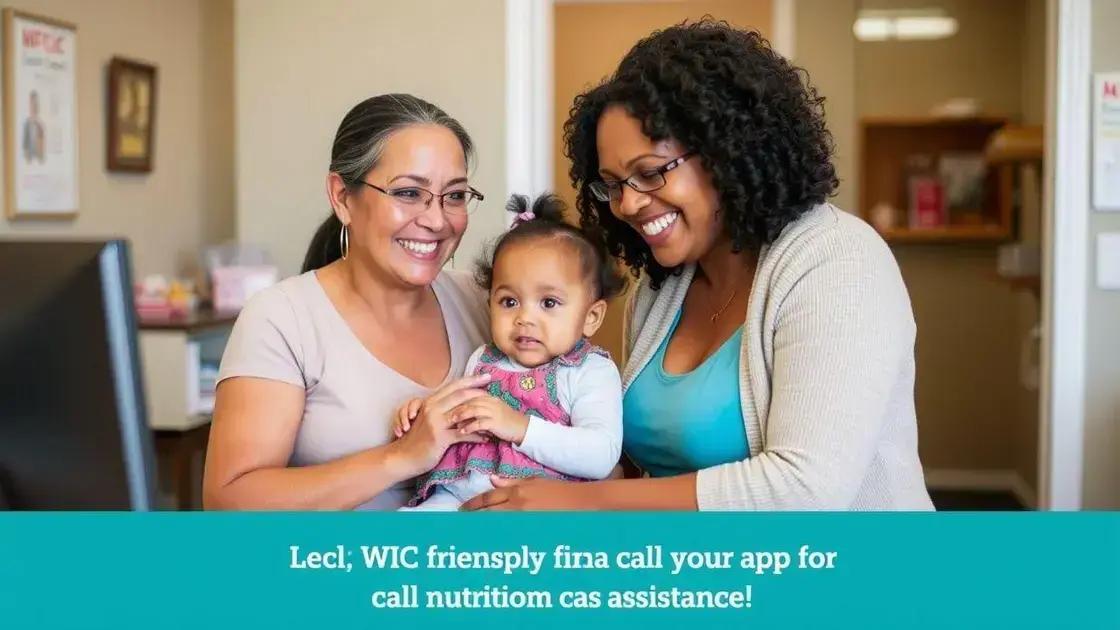
Applying for WIC program assistance is an important step for many families seeking nutritional support. The application process can seem daunting, but it’s quite straightforward when you know what to expect.
Steps to Apply
The first step is to find your local WIC office. Each state has its guidelines and resources for application. Here are some important steps to follow:
- Visit the official WIC website or call your local office for information.
- Gather necessary documents such as proof of identity, residency, and income.
- Schedule an appointment at your local WIC office.
These steps will help you start your journey towards receiving the benefits you need.
Required Documentation
When applying, you will need to provide certain documents. Having these ready can speed up the process:
- Identifying documents, like a driver’s license or another form of ID,
- Proof of residency, such as a utility bill or lease agreement,
- Income verification, which may include pay stubs or tax returns.
Each state may have slight variations in documentation, so check with your local office to ensure you have everything needed.
What to Expect During the Appointment
During your appointment, you’ll meet with a WIC staff member who will help assess your family’s needs. They may ask questions about your health, diet, and any specific requirements. This is also a good time to ask any questions you might have about the program.
You’ll typically complete an eligibility review, and once approved, you’ll receive your benefits and learn how to use them to buy healthy foods. It’s important to know that you can seek support and guidance throughout the process.
Applying for WIC program assistance can be a vital step in improving your family’s nutrition and health. By understanding the steps involved and gathering the necessary documentation, families can confidently navigate the application process.
Common misconceptions about WIC eligibility
There are several common misconceptions regarding WIC eligibility that can prevent families from seeking the help they need. Understanding the truth behind these myths is essential for those who may qualify for assistance.
Myth: You must be a citizen to qualify for WIC
Many people believe that only U.S. citizens can receive WIC benefits. However, this is not true. Legal residents can also qualify for the program. It’s crucial for families to know that immigration status does not disqualify them from accessing WIC services.
Myth: WIC is only for low-income families
While income requirements are a part of WIC eligibility, it’s important to note that the program is designed to assist those in financial need. Families can benefit even if they have a modest income. The threshold is based on federal poverty levels, which is relatively flexible for many working families.
Myth: You need to be pregnant to qualify
Another common misconception is that only pregnant women can receive WIC benefits. In reality, WIC is available for:
- Pregnant women,
- Breastfeeding mothers,
- Postpartum women and
- Children up to the age of five.
This means that WIC supports a broader range of families than many realize. Understanding this can help more families gain access to necessary nutritional assistance.
Myth: WIC benefits are insufficient
Some families might think that WIC benefits provide little support. However, WIC offers nutritious foods that can significantly enhance a family’s grocery budget. The program typically provides vouchers for fruits, vegetables, whole grains, dairy products, and infant formula, which together promote healthy eating habits.
Dispelling these misconceptions is vital for ensuring that eligible families access the important nutrition assistance WIC offers. It is essential for potential applicants to seek reliable information about the program, as it can lead to substantial improvements in their family’s health and nutrition.
Resources for checking WIC eligibility
Knowing where to find resources for checking WIC eligibility can help families access the support they need. There are several reliable options available that can guide you through the eligibility verification process.
Official WIC Websites
The first place to start is your state’s official WIC website. These sites provide detailed information about eligibility requirements, application processes, and local contacts. Most state websites have helpful resources, including:
- Income guidelines and eligibility criteria,
- Application forms and instructions,
- Local WIC office locations and contact details.
This information is crucial for understanding your eligibility and connecting with the right resources.
Local WIC Offices
Another valuable resource is your local WIC office. Staff members are available to assist you with questions or help you understand eligibility. Many offices offer:
- In-person consultations for families,
- Information on upcoming WIC clinics,
- Assistance with application and documentation.
Visiting a local office can provide personalized guidance and support tailored to your specific situation.
Community Centers and Nonprofits
Many community organizations and nonprofits also provide assistance with checking WIC eligibility. They often include outreach programs designed to help families understand their options. These organizations can:
- Offer workshops or informational sessions,
- Provide one-on-one support,
- Connect families with other resources for nutrition and health.
Utilizing these community resources can make navigating WIC eligibility much simpler.
In summary, accessing reliable resources for checking WIC eligibility is essential for families seeking assistance. By leveraging state websites, local offices, and community organizations, families can easily find the help they need.
FAQ – Frequently Asked Questions about WIC Program Eligibility
What is the WIC program?
The WIC program provides nutritional assistance to pregnant women, new mothers, and young children, helping them access healthy foods.
Who is eligible for WIC benefits?
Eligibility includes pregnant women, breastfeeding mothers, postpartum women, and children under five, based on income and residency.
How can I apply for WIC assistance?
To apply, visit your local WIC office or state website, gather necessary documents, and schedule an appointment.
What resources are available for checking WIC eligibility?
You can check eligibility through state WIC websites, local WIC offices, and community organizations that offer guidance.